Are you looking for natural ways to boost your testosterone from the comfort of your home?
Testosterone, often hailed as the cornerstone of male vitality, plays a crucial role far beyond just muscle mass and libido. It influences energy levels, mood, cognitive function, bone density, and even cardiovascular health. As men age, particularly after 30, testosterone levels naturally begin to decline by about 1% per year, leading to a range of undesirable symptoms from fatigue and decreased sex drive to weight gain and mood swings.
While various interventions exist, a powerful and accessible first line of defense lies in your own hands: targeted exercise and strategic lifestyle adjustments. This article will guide you through the best exercises you can perform at home to naturally stimulate testosterone production, alongside crucial dietary and lifestyle factors that amplify these effects.
Understanding Testosterone: More Than Just a "Male Hormone"
Before diving into specific exercises, it's essential to grasp what testosterone is and why maintaining healthy levels is paramount for overall well-being. It's not just about building muscle; it's about optimizing your entire physiological system.
Testosterone is the primary male sex hormone, produced mainly in the testes. In women, it's produced in smaller amounts by the ovaries and adrenal glands. Its influence extends across numerous bodily functions:
- Muscle Mass and Strength: Testosterone is anabolic, meaning it promotes muscle growth and strength.
- Bone Density: It plays a critical role in maintaining strong, healthy bones, reducing the risk of osteoporosis.
- Fat Distribution: Helps regulate fat metabolism and prevents excessive fat accumulation, particularly around the abdomen.
- Red Blood Cell Production: Stimulates the production of red blood cells in the bone marrow.
- Libido and Sexual Function: Crucial for sex drive and erectile function.
- Mood and Energy: Healthy testosterone levels are associated with better mood, increased energy, and reduced risk of depression.
- Cognitive Function: Emerging research suggests a link between testosterone and cognitive abilities, including memory and spatial awareness.
When testosterone levels dip below optimal, a condition known as hypogonadism or "low T" can occur. Symptoms can be subtle at first but may include chronic fatigue, decreased libido, difficulty concentrating, irritability, loss of muscle mass, and increased body fat. If you're experiencing these signs, it's wise to consult a doctor for diagnosis. You can learn more about recognizing these signs by reading our article on low testosterone symptoms and treatment.
💡 Key Takeaway
Testosterone is a vital hormone influencing muscle, bone, fat, mood, and libido. Natural decline after 30 can lead to various symptoms, making proactive management through lifestyle changes like exercise crucial for maintaining vitality.
The Power of Exercise: Your Home Gym Testosterone Booster
Exercise is one of the most potent natural stimulants for testosterone production. Not all exercises are created equal, however. To maximize your T-boosting potential at home, focus on specific types of movements and training principles.
1. Strength Training: The King of Testosterone Boosters
Resistance training, particularly involving heavy weights and compound movements, has consistently been shown to significantly elevate testosterone levels. The key is to engage large muscle groups, which triggers a greater hormonal response. You don't need a fancy gym; many effective exercises can be done with minimal equipment or just your body weight.
Why it works:
- Muscle Damage & Repair: Intense resistance training causes micro-tears in muscle fibers. The body responds by releasing growth hormone (GH) and testosterone to repair and rebuild these muscles, making them stronger.
- Increased Muscle Mass: More muscle mass correlates with higher resting testosterone levels.
- Metabolic Demand: Compound exercises burn more calories and create a greater metabolic demand, signaling to the body to produce more hormones.
Best Home Strength Exercises for Testosterone:
Focus on **compound movements** that work multiple muscle groups simultaneously. Aim for 3-4 sets of 6-12 repetitions per exercise, with challenging resistance. If you don't have weights, use resistance bands, household items (e.g., water jugs), or increase repetitions and time under tension.
- Squats (Bodyweight, Goblet, or Dumbbell):
Stand with feet shoulder-width apart, chest up. Lower your hips as if sitting in a chair, keeping your back straight and knees tracking over your toes. Go as deep as comfortable, then push through your heels to return to the start. Squats engage your glutes, quadriceps, and hamstrings – a massive muscle group.
- Push-ups:
A classic for a reason. Start in a plank position, hands slightly wider than shoulder-width. Lower your chest towards the floor, keeping your body in a straight line. Push back up forcefully. Variations like incline push-ups (hands on an elevated surface) or decline push-ups (feet elevated) can adjust difficulty. This targets chest, shoulders, and triceps.
- Lunges (Forward, Reverse, or Walking):
Step forward with one leg, lowering your hips until both knees are bent at approximately a 90-degree angle. Ensure your front knee is directly over your ankle and your back knee hovers above the ground. Push off your front foot to return. Lunges are excellent for leg and glute development, and balance.
- Rows (Dumbbell, Resistance Band, or Inverted):
If you have dumbbells or resistance bands, bent-over rows are fantastic for your back muscles. If not, inverted rows using a sturdy table or low bar can mimic the movement. Lie on your back under a table, grab the edge, and pull your chest towards it, engaging your lats and biceps.
- Overhead Press (Dumbbell or Resistance Band):
Standing or seated, hold dumbbells at shoulder height with palms facing forward. Press them directly overhead until your arms are fully extended. Lower with control. This builds shoulder and triceps strength. Without weights, you can do pike push-ups for a similar stimulus.
- Deadlifts (Kettlebell, Dumbbell, or Romanian):
If you have weights, deadlifts are arguably the most effective full-body exercise. Focus on proper form: hinge at your hips, keep your back straight, and lift with your legs and glutes. Even Romanian deadlifts with light dumbbells or a broomstick can teach the hip hinge pattern and activate hamstrings and glutes, contributing to a significant hormonal response.
Remember to prioritize proper form over heavy weight to prevent injury and maximize muscle activation. Gradually increase the resistance or repetitions as you get stronger.
2. High-Intensity Interval Training (HIIT): Short Bursts, Big Impact
HIIT involves short bursts of intense exercise followed by brief recovery periods. This training method has gained immense popularity for its efficiency and remarkable ability to boost fat loss and, crucially, testosterone.
Why it works:
- Growth Hormone & Testosterone Release: HIIT triggers a significant release of human growth hormone (HGH) and testosterone, even more so than steady-state cardio.
- Improved Insulin Sensitivity: Better insulin sensitivity can positively impact testosterone levels, as insulin resistance is often linked to lower T.
- Mitochondrial Biogenesis: HIIT improves the efficiency of your cells' energy factories, enhancing overall metabolic health.
Best Home HIIT Exercises for Testosterone:
Perform 20-60 seconds of maximal effort, followed by 10-30 seconds of rest. Repeat for 15-20 minutes, 2-3 times per week on non-consecutive days.
- Sprints (in place or short outdoor bursts):
If you have a yard or a safe street, sprint as fast as you can for 30 seconds, then walk slowly for 60 seconds. Repeat. If indoors, high-knee sprints in place are an excellent alternative.
- Burpees:
Start standing, drop into a squat, kick your feet back into a plank, do a push-up (optional), jump your feet back to the squat, and explode into a jump with arms overhead. This is a full-body, high-impact exercise.
- Jump Squats:
Perform a regular squat, then explode upwards into a jump, landing softly back into a squat. This adds a plyometric element that boosts intensity.
- Mountain Climbers:
Start in a plank position. Rapidly bring one knee towards your chest, then switch to the other leg, mimicking running in place while maintaining a stable core.
- Jumping Jacks / Star Jumps:
Simple yet effective for getting your heart rate up quickly. Star jumps involve a deeper squat before exploding outwards.
Remember to warm up thoroughly before HIIT and cool down afterward. The intensity is key here – you should feel breathless and challenged during the work intervals.
3. Moderate Cardio: Finding the Balance
While strength training and HIIT are supreme for T-boosting, moderate cardiovascular exercise still plays a role in overall health. However, excessive endurance training can sometimes have a negative impact on testosterone levels.
The Balance:
- Moderate is Key: Regular, moderate-intensity cardio (e.g., brisk walking, jogging, cycling at a comfortable pace) for 30-45 minutes, 3-4 times a week, can improve cardiovascular health, reduce stress, and help maintain a healthy body weight – all factors that indirectly support healthy testosterone.
- Avoid Overtraining: Long-duration, high-intensity endurance exercise (e.g., marathon training) can significantly elevate cortisol (the stress hormone), which can suppress testosterone production. Listen to your body and avoid chronic overtraining.
Integrate some moderate cardio for general fitness, but prioritize strength and HIIT for direct testosterone benefits. For men over 40, balancing these exercises is especially important, as recovery might take longer. You can find more targeted advice in our article on testosterone boosters for men over 40.
Beyond Exercise: Lifestyle Pillars for Optimal Testosterone
Exercise alone, while incredibly effective, is just one piece of the puzzle. To truly optimize your testosterone levels naturally, you must adopt a holistic approach that integrates diet, sleep, and stress management.
Nutrient-Rich Diet
What you eat directly impacts your hormone production. Focus on a balanced diet rich in whole foods. Prioritize healthy fats (avocado, nuts, olive oil), which are crucial for hormone synthesis. Adequate protein intake supports muscle repair and growth, while complex carbohydrates provide sustained energy without sharp insulin spikes.
Prioritize Quality Sleep
Testosterone is primarily produced during deep sleep cycles. Chronic sleep deprivation (less than 7-9 hours per night) can significantly reduce T levels. Establish a consistent sleep schedule, create a dark and cool sleep environment, and avoid screens before bed to optimize your sleep quality.
Manage Stress Effectively
Chronic stress leads to elevated cortisol levels. Cortisol and testosterone have an inverse relationship: as cortisol goes up, testosterone tends to go down. Incorporate stress-reduction techniques like meditation, deep breathing exercises, yoga, spending time in nature, or engaging in hobbies you enjoy.
Maintain a Healthy Weight
Obesity, particularly abdominal fat, is strongly linked to lower testosterone. Fat cells contain an enzyme called aromatase, which converts testosterone into estrogen. Losing excess body fat through diet and exercise can significantly improve testosterone levels.
Optimize Micronutrient Intake
Specific vitamins and minerals are vital for testosterone production. Ensure adequate intake of Zinc (found in red meat, shellfish, nuts), Vitamin D (sunlight exposure, fatty fish, fortified foods), Magnesium (leafy greens, nuts, seeds), and Vitamin B6. Consider supplementation if dietary intake is insufficient, but always consult a healthcare provider.
Common Mistakes to Avoid When Boosting Testosterone
Overtraining
While exercise is crucial, too much can be detrimental. Excessive, prolonged endurance training or not allowing enough recovery time can elevate cortisol levels, which actively suppresses testosterone. Listen to your body and incorporate rest days.
Poor Diet Choices
Relying on processed foods, excessive sugar, and unhealthy fats can lead to inflammation, weight gain, and insulin resistance, all of which negatively impact testosterone. A diet lacking essential micronutrients (like zinc and Vitamin D) will also hinder production.
Insufficient Sleep
Sacrificing sleep for other activities is a direct path to lower testosterone. Even a few nights of poor sleep can significantly reduce T levels. Prioritize 7-9 hours of quality, uninterrupted sleep every night.
Chronic Stress
Constantly living under high stress keeps cortisol elevated, which directly competes with testosterone. Failing to manage stress through relaxation techniques, hobbies, or mindfulness will undermine your efforts to boost T.
Enhancing Your Efforts with AlphaFuel Pro
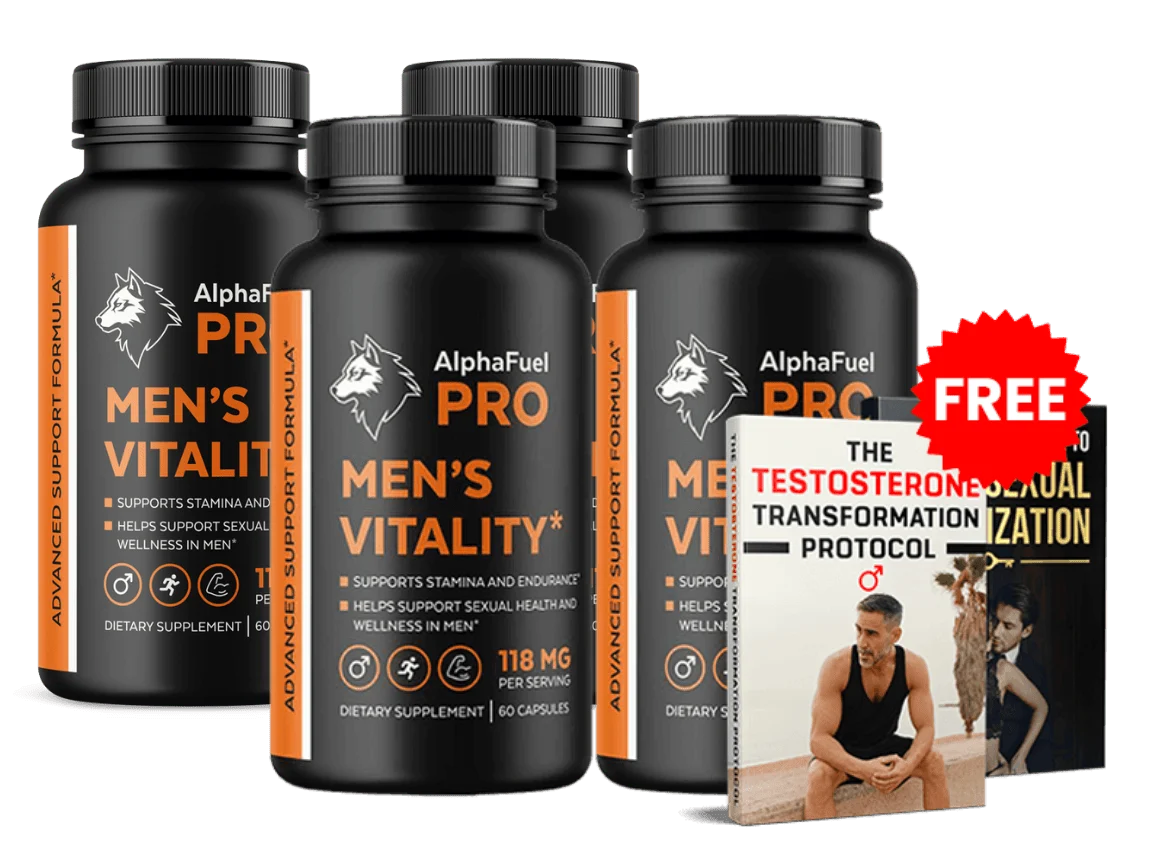
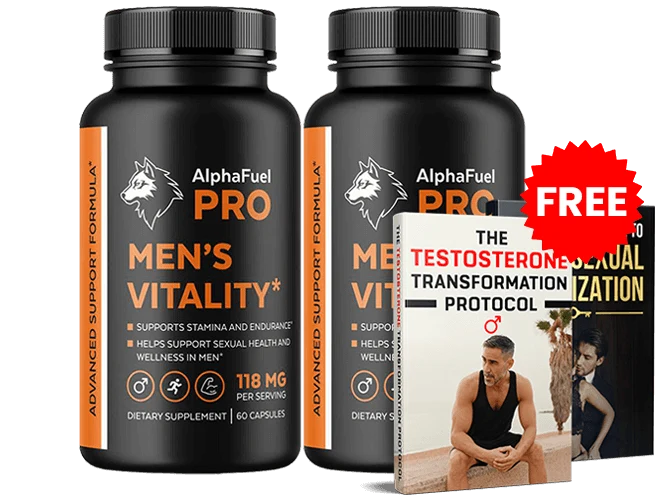
While exercise and lifestyle changes form the bedrock of natural testosterone optimization, some individuals may seek additional support. AlphaFuel Pro is a natural supplement designed to complement these efforts, providing a blend of ingredients traditionally used to support male vitality and hormone balance.

Epimedium (Horny Goat Weed)
Role: Traditionally used to enhance libido and sexual function. It contains icariin, which may support nitric oxide production, improving blood flow, and potentially influencing hormone pathways.
Standardized extract, typically 500-1000mg
Eurycoma Longifolia (Tongkat Ali)
Role: Researched for its potential to support healthy testosterone levels, reduce stress hormones like cortisol, and improve mood and energy. It's often used for male fertility and vitality.
Standardized extract, typically 200-400mg
Sarsaparilla Root
Role: Historically used as a tonic and for its potential anti-inflammatory properties. Some traditional uses link it to hormone support and purification, contributing to overall well-being.
Powdered root, typically 300-500mg
Serenoa Repens (Saw Palmetto)
Role: Well-known for its support of prostate health. It may also play a role in hormone balance by influencing enzymes involved in testosterone metabolism.
Standardized extract, typically 160-320mgAlphaFuel Pro is crafted with these carefully selected ingredients, aiming to provide a comprehensive approach to male hormonal health. It’s important to remember that supplements work best when combined with a healthy lifestyle, including the exercises and dietary practices discussed in this article. To read what real users are saying about their experiences, visit our AlphaFuel Pro reviews page.
Ready to Naturally Reclaim Your Vitality?
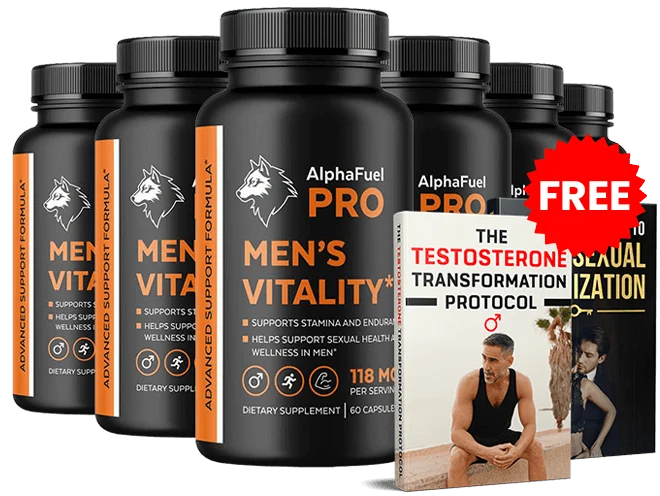
AlphaFuel Pro is engineered to support your body's natural testosterone production, helping you feel more energetic, focused, and robust. Combine it with your new home exercise routine and healthy lifestyle for optimal results.
- ✓ Supports Healthy Testosterone Levels
- ✓ Boosts Energy and Stamina
- ✓ Enhances Lean Muscle Mass
- ✓ Improves Libido and Vitality
- ✓ Made with 100% Natural Ingredients


What Our Customers Are Saying
"I've been doing home workouts for years, but AlphaFuel Pro really kicked things up a notch. My energy is higher, my lifts feel stronger, and I just feel more like myself again. Highly recommend!"
"I was skeptical at first, but after a few weeks of consistent exercise and AlphaFuel Pro, I noticed a huge difference. My focus improved, and my drive in the gym and at home is back. Fantastic product!"
"As someone over 50, I was looking for natural ways to feel younger and more vibrant. AlphaFuel Pro, combined with my new exercise routine, has given me back my spark. More energy, better sleep, and I'm even building muscle again."
Frequently Asked Questions
What types of exercises are best for increasing testosterone?
+Strength training, especially compound movements like squats and deadlifts, and high-intensity interval training (HIIT) are highly effective. These stimulate growth hormone and testosterone production.
How often should I exercise to boost my testosterone levels?
+Aim for 3-5 strength training sessions per week, with 1-2 HIIT sessions. Ensure adequate rest days to allow for muscle recovery and hormone synthesis.
Can diet and sleep affect my testosterone levels?
+Absolutely. A balanced diet rich in healthy fats, protein, and micronutrients like zinc and Vitamin D is crucial. Getting 7-9 hours of quality sleep per night is also vital, as testosterone is primarily produced during deep sleep.
Are there any risks associated with trying to naturally increase testosterone?
+Generally, natural methods like exercise, diet, and lifestyle changes are safe. However, excessive exercise, poor nutrition, or chronic stress can have adverse effects. Always consult a healthcare professional before making significant changes or starting supplements.
How long does it take to see results from natural testosterone-boosting methods?
+Results vary depending on individual factors like starting levels, consistency, and overall health. Many people notice improvements in energy, mood, and strength within a few weeks to a few months of consistent effort.
How does AlphaFuel Pro support natural testosterone levels?
+AlphaFuel Pro is formulated with natural ingredients like Epimedium, Eurycoma Longifolia, and Sarsaparilla Root, which are traditionally recognized for supporting hormone balance and vitality. It's designed to complement a healthy lifestyle, providing nutritional support for optimal testosterone production.
Related Articles