Are you feeling constantly tired, irritable, or struggling with focus?
Many men dismiss these symptoms as a natural part of aging, but they could be indicators of a more significant underlying issue: low testosterone. This vital hormone plays a crucial role not just in physical aspects like muscle mass and libido, but deeply influences your psychological and cognitive functions.
The effects of declining testosterone can manifest subtly at first, gradually eroding your sense of self and quality of life. Understanding these connections is the first step towards reclaiming your vitality and mental clarity, offering a path to feeling like yourself again. In this comprehensive guide, we'll explore how low testosterone profoundly impacts mood, energy levels, and overall mental health, and what you can do about it.
Understanding Testosterone: More Than Just a Sex Hormone
Testosterone is the primary male sex hormone, but its influence extends far beyond libido and reproductive health. Produced mainly in the testes, it plays a critical role in numerous bodily functions, impacting everything from physical strength to mental acuity.
Beyond developing male characteristics during puberty, testosterone is crucial for maintaining muscle mass and strength, regulating bone density, influencing red blood cell production, and distributing body fat. However, its often-overlooked functions lie in its profound impact on the brain and central nervous system. Testosterone acts as a neurosteroid, influencing neurotransmitter activity, neuronal growth, and overall brain health. This makes it a key player in regulating mood, energy levels, and cognitive function.
As men age, typically starting around age 30, testosterone levels naturally begin to decline by about 1% per year. This gradual decrease is often referred to as "andropause" or "male menopause." While some decline is normal, a significant drop can lead to a condition called hypogonadism or clinically low testosterone (Low T), which can profoundly affect a man's quality of life. Recognizing the subtle yet pervasive symptoms of Low T is the first step toward addressing the issue and regaining a sense of well-being.
💡 Key Takeaway
Testosterone is a vital hormone with extensive roles beyond sexual health, significantly impacting mood, energy, and cognitive function. Its natural decline with age, or a more pronounced drop (Low T), can lead to a range of debilitating symptoms often mistaken for normal aging.
The Direct Link: How Low T Disturbs Mood and Emotional Balance
One of the most insidious effects of low testosterone is its impact on a man's emotional landscape. Many men experiencing Low T report feeling "not quite themselves," struggling with persistent negative emotions that seem to come out of nowhere.
Irritability and Mood Swings: Testosterone plays a role in regulating neurotransmitters like serotonin and dopamine, which are critical for mood stability. When testosterone levels drop, this delicate balance can be disrupted, leading to increased irritability, frustration, and unexplained mood swings. Men might find themselves snapping at loved ones, feeling easily agitated, or becoming disproportionately upset by minor inconveniences. This can strain relationships and contribute to a general sense of unease.
Depression and Anxiety: Research has consistently shown a strong correlation between low testosterone and an increased risk of developing symptoms of depression and anxiety. Men with Low T are often diagnosed with clinical depression, characterized by persistent sadness, feelings of hopelessness, loss of pleasure in activities (anhedonia), and changes in sleep and appetite. Anxiety can manifest as excessive worry, nervousness, or even panic attacks. The emotional toll can be severe, impacting personal life, work performance, and overall mental resilience.
Loss of Enthusiasm and Motivation: Beyond overt depression, many men with Low T experience a profound loss of drive and enthusiasm. Tasks that once brought joy or a sense of accomplishment now feel like chores. There's a noticeable decrease in motivation to pursue hobbies, engage in social activities, or even tackle daily responsibilities. This apathy can make it difficult to initiate or complete tasks, contributing to a cycle of low self-esteem and further emotional distress. Finding ways to rekindle this drive is essential for overall well-being, and strategies like those discussed in best-supplement-for-male-stamina.html can offer valuable insights into supporting this aspect of male health.
These emotional changes are not simply a matter of "toughing it out." They are physiological responses to a hormonal imbalance that requires attention. Recognizing these symptoms as potential indicators of Low T can be the first step toward seeking appropriate help and regaining emotional equilibrium.
The Energy Drain: How Low T Saps Your Vitality and Physical Drive
One of the most commonly reported and debilitating symptoms of low testosterone is a pervasive and unrelenting fatigue that conventional rest simply cannot alleviate. This isn't just feeling tired after a long day; it's a deep-seated lack of energy that impacts every facet of life.
Chronic Fatigue: Men with Low T often describe an overwhelming sense of tiredness that persists regardless of how much sleep they get. Waking up feeling unrefreshed, struggling to get out of bed, and experiencing energy crashes throughout the day are common complaints. This chronic fatigue makes it difficult to maintain focus at work, engage in social activities, or even perform simple household chores. It can lead to a significant reduction in overall activity levels, creating a vicious cycle where inactivity further contributes to reduced energy and muscle loss.
Reduced Physical Stamina and Endurance: Beyond just feeling tired, low testosterone directly impacts physical capacity. Testosterone is crucial for muscle repair and growth, and its deficiency can lead to a decline in muscle mass and strength. This translates to reduced physical stamina and endurance, making once-enjoyable activities like exercise, sports, or even yard work feel exhausting and unachievable. The ability to push through physical challenges diminishes, leading to frustration and a sense of physical decline. Many men look for ways to boost their physical capabilities, and exploring topics like how-to-improve-male-energy-naturally.html can provide valuable insights into natural methods for enhancing energy and stamina.
Lethargy and Lack of Drive: The energy drain from Low T extends beyond the physical realm, permeating a man's mental and psychological drive. Lethargy sets in, making it hard to initiate tasks, follow through on plans, or feel motivated about future endeavors. This lack of drive can affect career progression, personal goals, and even the desire to engage in hobbies or spend time with family and friends. The synergy between physical energy and mental drive is undeniable, and a deficiency in one often exacerbates the other, creating a profound sense of stagnation and disinterest.
Addressing this energy crisis is paramount for improving a man's overall quality of life. It requires understanding that this fatigue is a symptom of a hormonal imbalance, not merely a sign of laziness or aging. Seeking solutions that support healthy testosterone levels can be a transformative step towards reclaiming lost vitality.
Cognitive Fog: Low T's Impact on Mental Health and Brain Function
While the physical and emotional symptoms of low testosterone are often discussed, its profound effects on cognitive function and overall mental sharpness are frequently overlooked. Many men describe a frustrating "brain fog" that makes daily tasks and complex thinking feel like a struggle.
Brain Fog and Poor Concentration: One of the most common cognitive complaints associated with Low T is a persistent feeling of mental haziness or "brain fog." This manifests as difficulty concentrating, a shorter attention span, and a general inability to think clearly. Tasks that once required minimal effort, such as reading a book, following a conversation, or completing detailed work, become challenging and exhausting. This can significantly impact professional performance, learning new skills, and even enjoying leisure activities that require mental engagement.
Memory Impairment: Low testosterone has been linked to issues with both short-term and working memory. Men may find themselves forgetting names, appointments, where they placed objects, or details of recent conversations. This forgetfulness can be incredibly frustrating and lead to concerns about more severe cognitive decline. Testosterone influences the hippocampus, a brain region critical for memory formation and retrieval, explaining why its deficiency can lead to noticeable memory lapses.
Reduced Cognitive Performance: Beyond concentration and memory, Low T can affect overall cognitive processing speed and executive functions. This means a slower ability to process information, make decisions, and solve problems. Complex tasks might feel overwhelming, and mental agility seems to diminish. This reduction in cognitive performance can lead to decreased confidence in one's intellectual abilities and a reluctance to take on mentally demanding challenges. The cumulative effect of these cognitive impairments can significantly impact a man's quality of life, leading to feelings of inadequacy and isolation. Understanding how to support cognitive health, potentially through natural means, is crucial. For those seeking ways to enhance their mental clarity and energy, exploring resources such as best-male-energy-supplement.html might offer valuable perspectives on supportive nutrients.
It's important to recognize that these cognitive changes are not necessarily signs of early dementia but rather a reversible consequence of hormonal imbalance. Addressing low testosterone can often lead to significant improvements in mental clarity, focus, and memory, allowing men to regain their cognitive edge and feel sharper.
Holistic Strategies for Managing Low T Symptoms and Boosting Well-being
While consulting a healthcare professional for diagnosis and treatment options like Testosterone Replacement Therapy (TRT) is crucial, several holistic and lifestyle-based strategies can significantly support healthy testosterone levels and alleviate many of the associated symptoms.
Optimize Your Diet
A diet rich in whole foods, healthy fats (avocados, nuts, olive oil), lean proteins, and complex carbohydrates supports overall hormone production. Ensure adequate intake of zinc (oysters, beef, pumpkin seeds) and Vitamin D (fatty fish, fortified foods, sunlight), both vital for testosterone synthesis. Limit processed foods, excessive sugar, and alcohol.
Engage in Regular Exercise
Strength training and high-intensity interval training (HIIT) have been shown to significantly boost testosterone levels. Aim for 3-5 sessions per week, focusing on compound movements that engage multiple muscle groups. Consistency is key, but avoid overtraining, which can have an adverse effect on hormone balance.
Prioritize Quality Sleep
Sleep is a critical period for hormone production, including testosterone. Chronic sleep deprivation can drastically reduce T levels. Aim for 7-9 hours of uninterrupted sleep per night. Establish a consistent sleep schedule, create a dark and cool sleep environment, and limit screen time before bed to improve sleep quality.
Manage Stress Effectively
Chronic stress leads to elevated cortisol levels, which can directly suppress testosterone production. Incorporate stress-reduction techniques into your daily routine, such as meditation, deep breathing exercises, yoga, spending time in nature, or engaging in hobbies. Finding healthy outlets for stress is vital for hormonal equilibrium.
Maintain a Healthy Weight
Obesity, particularly abdominal fat, is strongly linked to lower testosterone levels. Adipose tissue contains an enzyme called aromatase, which converts testosterone into estrogen, further exacerbating hormonal imbalance. Losing excess weight through diet and exercise can significantly improve testosterone levels and overall health.
Consider Natural Testosterone Support
Certain natural ingredients and herbal extracts have been traditionally used and studied for their potential to support healthy testosterone production and alleviate associated symptoms. While not a replacement for medical treatment, a well-formulated supplement can complement lifestyle changes in your journey to better hormonal health.

Recognizing the Subtle Psychological and Social Impacts
The effects of low testosterone often extend beyond individual symptoms, subtly eroding a man's confidence, social engagement, and overall quality of life. Understanding these wider impacts is key to a holistic approach to recovery.
Reduced Self-Confidence
The cumulative effect of fatigue, mood swings, and cognitive difficulties can significantly diminish a man's self-esteem. Feeling less energetic, less sharp, and more irritable can lead to a belief that one is less capable or appealing, impacting personal and professional interactions.
Social Withdrawal
Apathy, fatigue, and mood issues can make social interactions feel draining rather than invigorating. Men with Low T may begin to withdraw from friends, family, and social events, leading to feelings of isolation and loneliness, further exacerbating depressive symptoms.
Decreased Work Performance
Brain fog, poor concentration, and lack of motivation directly impact productivity and decision-making abilities at work. This can lead to decreased job satisfaction, missed opportunities for advancement, and increased stress related to professional responsibilities.
Strain on Relationships
Mood swings, irritability, and reduced libido can put a significant strain on intimate relationships. Partners may struggle to understand the changes, leading to misunderstandings, conflict, and a diminished sense of connection and intimacy.
Loss of Identity
For many men, virility, strength, and mental acuity are integral to their sense of self. Experiencing a decline in these areas due to low testosterone can lead to a profound sense of loss, identity crisis, and a feeling of being a shadow of their former self.
Natural Ingredients That Support Male Vitality and Hormonal Balance
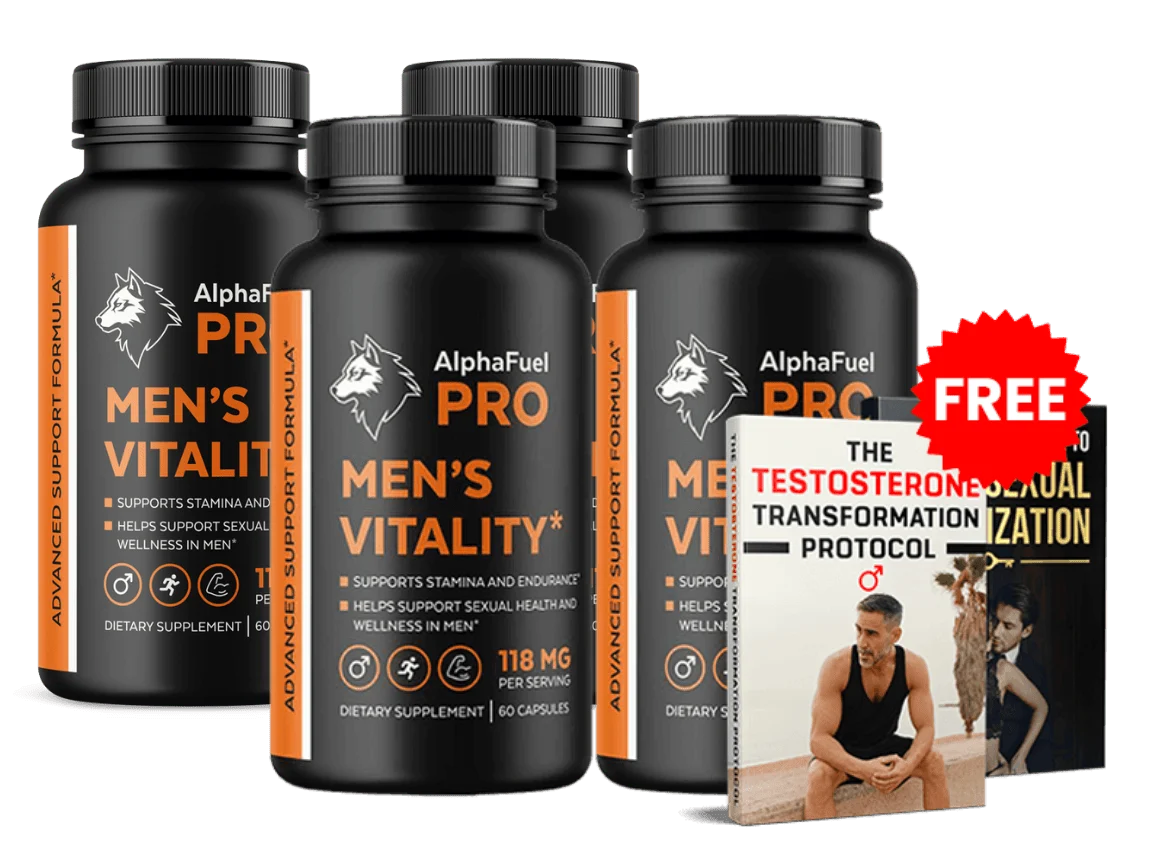
For those seeking natural ways to support healthy testosterone levels and alleviate related symptoms, specific herbal extracts and compounds have gained recognition for their potential benefits. AlphaFuel Pro incorporates a blend of such ingredients, carefully selected for their synergistic effects on male health.

Epimedium (Horny Goat Weed)
Role: Traditionally used as an aphrodisiac and for enhancing vitality. It contains icariin, which may help support nitric oxide production, improving blood flow, and potentially influencing testosterone pathways. It's often associated with improved energy and desire.
Typical Dose: 500-1000 mg extract
Eurycoma Longifolia (Tongkat Ali)
Role: A powerful adaptogen known for its potential to support healthy free testosterone levels, reduce stress hormones like cortisol, and combat fatigue. Studies suggest it can improve mood, energy, and physical performance, making it a cornerstone for male vitality.
Typical Dose: 200-400 mg extract
Serenoa Repens (Saw Palmetto)
Role: Primarily recognized for supporting prostate health, Saw Palmetto also plays a role in hormonal balance. It may help modulate the conversion of testosterone to dihydrotestosterone (DHT), indirectly supporting overall testosterone availability and reducing related symptoms.
Typical Dose: 160-320 mg extract
Sarsaparilla Root
Role: Used in traditional medicine for its purported ability to cleanse the body and support overall vitality. It contains plant steroids that are believed to have a mild anabolic effect and support hormonal balance. It also acts as an anti-inflammatory, contributing to overall well-being.
Typical Dose: 400-800 mg powdered root
Reclaim Your Energy, Mood, and Mental Clarity with AlphaFuel Pro
If you're experiencing the debilitating effects of low testosterone on your mood, energy, and mental health, it's time to consider a natural, powerful solution. AlphaFuel Pro is meticulously crafted with a blend of potent herbal extracts and nutrients designed to support healthy testosterone levels and revitalize your entire system.
- ✓ Supports natural testosterone production
- ✓ Boosts energy and combats chronic fatigue
- ✓ Enhances mood stability and reduces irritability
- ✓ Improves mental clarity and focus
- ✓ Formulated with clinically studied natural ingredients




Real Men, Real Results: Hear Their Stories
"I felt like I was losing my edge, constantly tired and just not myself. AlphaFuel Pro helped me regain my energy and focus. I feel sharper and more motivated."
"My mood swings were getting out of control, and my wife noticed. Since starting AlphaFuel Pro, I'm calmer, more patient, and have a positive outlook again."
"Brain fog was my biggest enemy. I couldn't concentrate at work. AlphaFuel Pro has cleared my head and improved my memory. It's truly made a difference."
Frequently Asked Questions
What are the primary signs of low testosterone?
+The primary signs often include persistent fatigue, reduced libido, difficulty concentrating, mood changes like irritability or depression, decreased muscle mass, and increased body fat. These symptoms can be subtle and develop gradually.
How does low testosterone affect my mood?
+Low testosterone can significantly impact mood by affecting neurotransmitter balance in the brain. This can lead to increased irritability, anxiety, feelings of sadness, depression, and a general lack of motivation or enthusiasm for activities you once enjoyed.
Can low testosterone cause chronic fatigue?
+Yes, chronic fatigue is one of the most common and debilitating symptoms of low testosterone. Many men report feeling constantly tired, lacking stamina, and experiencing reduced energy levels even after adequate sleep, making daily tasks challenging.
Is there a link between low T and cognitive issues like "brain fog"?
+Absolutely. Testosterone plays a role in cognitive function. Low levels can lead to symptoms often described as "brain fog," including poor concentration, difficulty focusing, memory problems, and a general decline in mental sharpness and processing speed.
What natural steps can I take to support healthy testosterone levels?
+Natural strategies include regular exercise (especially strength training), a balanced diet rich in zinc and Vitamin D, adequate sleep (7-9 hours), managing stress, and maintaining a healthy weight. Certain natural supplements, like AlphaFuel Pro, can also provide support.
When should I consult a doctor about my testosterone levels?
+If you are experiencing persistent symptoms like chronic fatigue, significant mood changes, reduced libido, or cognitive difficulties, it's advisable to consult your doctor. They can perform blood tests to measure your testosterone levels and discuss appropriate diagnostic and treatment options.
Related Articles