Are you unknowingly sabotaging your testosterone levels every night?
In the relentless pace of modern life, sleep often becomes the first casualty. We push through late nights, early mornings, and constant distractions, often dismissing the profound impact this has on our overall health. But for men, sacrificing sleep can have a particularly insidious effect, directly undermining one of the most crucial hormones for male vitality: testosterone.
Emerging research consistently highlights a powerful, undeniable connection between the quality and duration of your sleep and your body's ability to produce testosterone. Poor sleep isn't just about feeling tired; it can lead to a significant drop in T-levels, affecting everything from your energy and mood to muscle mass and libido. Understanding this critical link is the first step towards reclaiming your health and vitality. This comprehensive guide will explore how sleep affects testosterone levels and what you can do about it, offering practical solutions and insights into restoring hormonal balance.
The Intricate Dance Between Sleep and Testosterone Production
Testosterone, often hailed as the cornerstone of male health, plays a vital role in everything from muscle mass and bone density to mood regulation and libido. What many don't realize is that its production is heavily influenced by one fundamental, yet often overlooked, factor: sleep.
Our bodies are governed by circadian rhythms, internal biological clocks that regulate various physiological processes, including hormone release, over a 24-hour cycle. Testosterone production is no exception. For men, the vast majority of daily testosterone synthesis occurs during the deepest phases of sleep, particularly during REM (Rapid Eye Movement) and slow-wave sleep. This process typically peaks in the early morning hours, preparing the body for the day ahead with optimal hormone levels.
When you consistently deprive yourself of adequate sleep, or when your sleep quality is poor and fragmented, you disrupt this delicate hormonal orchestration. Your body doesn't get the necessary window of opportunity to produce testosterone efficiently. Instead, chronic sleep deprivation triggers a stress response, leading to an elevation in cortisol levels. Cortisol, the body's primary stress hormone, has a direct inverse relationship with testosterone; as cortisol rises, testosterone tends to fall. This creates a vicious cycle where poor sleep increases stress, which further suppresses T-levels, leading to more fatigue and potentially even worse sleep.
Research has starkly illuminated this connection. Studies published in journals like the Journal of the American Medical Association have shown that healthy young men who restrict their sleep to just 5 hours per night for one week experience a significant drop in daytime testosterone levels by 10% to 15%. This is comparable to the decline in testosterone seen with aging 10 to 15 years. This isn't just about feeling tired; it's about a fundamental shift in your hormonal balance with wide-ranging consequences for your health and well-being.
💡 Key Takeaway
Adequate, quality sleep is not merely a recovery period; it's a non-negotiable biological requirement for optimal testosterone production. Disrupting sleep directly interferes with the body's natural hormonal cycles, leading to reduced T-levels and a cascade of negative health effects.
The Far-Reaching Consequences of Low Testosterone from Poor Sleep
The impact of sleep-induced low testosterone extends far beyond just feeling a bit sluggish. It can permeate every aspect of a man's life, significantly diminishing quality of life and increasing risks for various health issues. Understanding these consequences is crucial for motivating action.
Decreased Energy and Chronic Fatigue
One of the most immediate and noticeable effects of low T is a pervasive lack of energy. Even after a full night's sleep, men with compromised testosterone levels often report feeling drained, struggling to find the motivation for daily tasks or exercise. This fatigue can become chronic, impacting work performance, social life, and overall enjoyment of life.
Reduced Muscle Mass and Increased Body Fat
Testosterone is a powerful anabolic hormone, meaning it plays a critical role in building and maintaining muscle mass. When T-levels drop due to poor sleep, the body struggles to repair and grow muscle tissue, even with consistent workouts. Simultaneously, low testosterone can lead to an increase in body fat, particularly visceral fat around the abdomen, making it harder to maintain a lean physique.
Diminished Libido and Sexual Performance
Testosterone is the primary driver of male sex drive. A significant dip in T-levels almost invariably leads to a reduced libido, making sexual activity less appealing. Furthermore, low testosterone can contribute to erectile dysfunction, impacting not only physical intimacy but also confidence and self-esteem. This is one of the most common complaints among men experiencing low T, regardless of age.
Mood Swings, Irritability, and Cognitive Decline
Beyond the physical, testosterone plays a crucial role in regulating mood and cognitive function. Low T can manifest as increased irritability, anxiety, and even depressive symptoms. Men might find themselves more prone to mood swings, struggling with concentration, memory, and overall mental clarity, impacting both personal and professional life. The brain fog can be debilitating.
Increased Risk of Chronic Diseases
Long-term low testosterone, whether sleep-induced or from other factors, is associated with a higher risk of several serious health conditions. These include metabolic syndrome, type 2 diabetes, cardiovascular disease, and osteoporosis. Addressing sleep issues early can be a proactive step in mitigating these risks and safeguarding your long-term health.

Identifying and Addressing Your Sleep Deficiencies
Before you can fix the problem, you need to understand it. Many men aren't even aware they have a sleep problem until they start experiencing the symptoms of low testosterone. Here's how to identify and begin to address common sleep deficiencies that can impact your T-levels.
First, honestly assess your current sleep habits. Are you consistently getting 7-9 hours of sleep per night? Do you wake up feeling refreshed, or do you hit snooze multiple times? Pay attention to any snoring, gasping for air, or restless leg movements, as these could indicate underlying sleep disorders like sleep apnea, a major contributor to low T. If you suspect a sleep disorder, consulting a healthcare professional for a sleep study is crucial.
Beyond clinical conditions, many sleep issues stem from poor "sleep hygiene." This refers to the habits and practices conducive to sleeping well on a regular basis. Common culprits include inconsistent bedtimes, excessive caffeine or alcohol consumption, late-night screen time, and a bedroom environment that isn't optimized for rest. Even chronic stress can make it incredibly difficult to fall and stay asleep.
To start, try keeping a sleep diary for a week. Note your bedtime, wake-up time, how long it took to fall asleep, how many times you woke up, and how you felt upon waking. This can reveal patterns and help you pinpoint areas for improvement. Remember, addressing your sleep is a powerful, natural way to support your overall male energy and vitality. For more insights on general energy relief, you might find our article on natural male energy relief remedies helpful.
Actionable Strategies to Optimize Your Sleep and Boost Testosterone
Reclaiming your testosterone levels through better sleep is entirely achievable with consistent effort. Here are practical, science-backed strategies you can implement starting tonight.
Establish a Consistent Sleep Schedule
Go to bed and wake up at the same time every day, even on weekends. This helps regulate your body's natural circadian rhythm, making it easier to fall asleep and wake up feeling refreshed. Consistency is key for hormonal balance.
Create an Optimal Sleep Environment
Ensure your bedroom is dark, quiet, and cool (ideally between 60-67°F or 15-19°C). Block out light with blackout curtains, use earplugs or a white noise machine if necessary, and invest in a comfortable mattress and pillows. A peaceful sanctuary promotes deeper sleep.
Limit Screen Time Before Bed
The blue light emitted from phones, tablets, and computers can suppress melatonin production, the hormone that signals your body it's time to sleep. Aim to power down all screens at least 1-2 hours before bedtime. Read a book or listen to calming music instead.
Manage Caffeine and Alcohol Intake
While a morning coffee is fine, avoid caffeine in the afternoon and evening. Alcohol might make you feel drowsy, but it disrupts sleep architecture, leading to fragmented and less restorative sleep. Limit alcohol, especially close to bedtime.
Incorporate Regular Exercise
Physical activity can significantly improve sleep quality. However, time your workouts appropriately. Intense exercise too close to bedtime can be stimulating. Aim for moderate to vigorous activity earlier in the day to reap the sleep benefits.
Practice Relaxation Techniques
Stress is a major sleep disruptor. Incorporate mindfulness, meditation, deep breathing exercises, or gentle stretching into your evening routine. These practices can calm your nervous system and prepare your body and mind for rest.
Beyond Sleep: A Holistic Approach to Testosterone Optimization
While sleep is paramount, achieving truly optimal testosterone levels often requires a multifaceted approach. Integrating other healthy lifestyle choices can create a powerful synergistic effect, amplifying the benefits of improved sleep.
Dietary Foundations: What you eat profoundly impacts your hormone health. Focus on a balanced diet rich in whole foods. Prioritize healthy fats (avocado, nuts, olive oil) which are crucial for hormone synthesis. Include lean proteins (chicken, fish, eggs) for muscle repair and growth, and plenty of fiber-rich vegetables and fruits for overall health and nutrient absorption. Limiting processed foods, excessive sugar, and unhealthy trans fats is also key. Certain vitamins and minerals, such as Vitamin D, Zinc, and Magnesium, are particularly important for testosterone production and can often be found in a varied diet or through targeted supplementation.
Regular Physical Activity: Beyond its benefits for sleep, consistent exercise directly supports healthy testosterone levels. Resistance training (weightlifting) is particularly effective for stimulating T production, but cardiovascular exercise also plays a role in overall hormonal balance and weight management. Aim for a mix of strength training and cardio several times a week. However, avoid overtraining, as excessive, prolonged intense exercise can sometimes have the opposite effect and temporarily lower testosterone.
Stress Management: As discussed, chronic stress elevates cortisol, which suppresses testosterone. Implementing stress-reduction techniques like meditation, yoga, spending time in nature, or engaging in hobbies you enjoy can significantly improve your hormonal profile. Prioritizing mental well-being is just as important as physical health in the quest for optimal T-levels.
For men over 50, understanding the full spectrum of symptoms associated with declining testosterone is vital. You can find a comprehensive guide in our article: Low Testosterone Symptoms in Men Over 50: Complete Checklist.
Natural Support: Complementing Your Efforts with AlphaFuel Pro
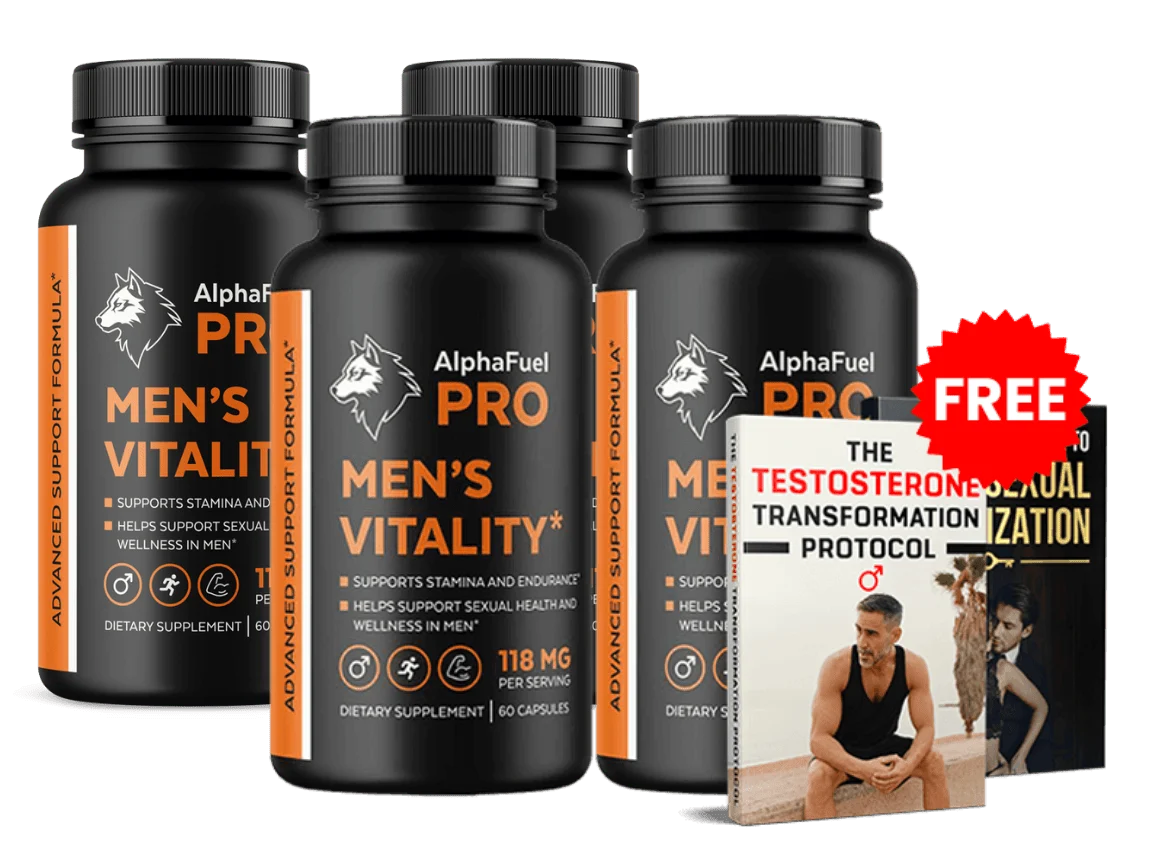
While lifestyle changes are the bedrock of healthy testosterone, sometimes our bodies need a little extra support. This is where a well-formulated natural supplement like AlphaFuel Pro can play a significant role. Designed to work in harmony with your body's natural processes, AlphaFuel Pro provides a blend of clinically studied ingredients known to support male hormonal balance and overall vitality, complementing your efforts to improve sleep, diet, and exercise.

Epimedium (Horny Goat Weed)
Role: Traditionally used to support libido and sexual function. It contains icariin, which may help improve blood flow and optimize hormone levels indirectly by enhancing nitric oxide production. It's often associated with increased vitality.
Standardized Extract (100-500mg)
Eurycoma Longifolia (Tongkat Ali)
Role: A powerful herb renowned for its potential to boost free testosterone levels, reduce cortisol (stress hormone), and improve mood. It is often used to enhance athletic performance, energy, and sexual well-being.
Standardized Extract (200-400mg)
Sarsaparilla Root
Role: Historically used as a tonic for overall health, Sarsaparilla may act as a steroid saponin, potentially influencing hormone production. It's also valued for its anti-inflammatory and detoxifying properties, supporting overall bodily function crucial for hormone balance.
Powdered Root (300-600mg)
Serenoa Repens (Saw Palmetto)
Role: Primarily known for supporting prostate health, Saw Palmetto can also play a role in hormone balance by inhibiting the conversion of testosterone to DHT, ensuring more free testosterone is available in the body. It's a key ingredient for male hormonal health.
Standardized Extract (160-320mg)These ingredients, along with others in the AlphaFuel Pro formula, are chosen for their synergistic effects in supporting the body's natural capacity to produce and utilize testosterone effectively. By providing targeted nutritional support, AlphaFuel Pro helps create an optimal internal environment, making your efforts to improve sleep and lifestyle even more impactful. For a deeper dive into natural ingredients that can help, check out our article on herbs that boost male hormones.

Reclaim Your Vitality with AlphaFuel Pro
Don't let sleep deprivation and declining testosterone hold you back any longer. AlphaFuel Pro is specifically formulated to support your body's natural ability to produce healthy testosterone levels, helping you experience renewed energy, improved muscle definition, a healthy libido, and enhanced mental clarity. It's the natural edge you need to complement your healthy lifestyle.
- ✓ Supports natural testosterone production
- ✓ Boosts energy and stamina
- ✓ Enhances muscle growth and strength
- ✓ Promotes a healthy libido and sexual performance
- ✓ Made with 100% natural, scientifically-backed ingredients




What Our Customers Say
"I used to wake up feeling exhausted, even after 7 hours. Since focusing on my sleep and adding AlphaFuel Pro, my energy is through the roof! My gym performance has improved, and I feel like I'm in my 20s again."
"My libido had been declining for years, and I just blamed age. After reading about sleep and testosterone, I made changes and started AlphaFuel Pro. The difference is incredible. My wife and I are both thrilled!"
"I was skeptical, but the research on sleep's impact on hormones convinced me. Combining better sleep hygiene with AlphaFuel Pro has given me back my focus and drive. I'm more productive and less irritable."
Frequently Asked Questions
Why is sleep so crucial for testosterone production?
+Testosterone production is highly cyclical and primarily occurs during deep sleep stages. Insufficient or fragmented sleep disrupts these natural rhythms, signaling the body to produce less testosterone and more stress hormones like cortisol, which further suppress T-levels. Aim for 7-9 hours of quality sleep nightly.
How quickly can poor sleep affect my testosterone levels?
+Studies show that even a single week of restricted sleep (e.g., 5 hours per night) can significantly reduce testosterone levels by 10-15% in healthy young men. The effects are often immediate and cumulative, worsening with chronic sleep deprivation. Prioritizing sleep can lead to noticeable improvements relatively quickly.
What are common signs that poor sleep is impacting my testosterone?
+Beyond general fatigue, watch for decreased libido, difficulty building muscle, increased body fat (especially around the abdomen), mood swings, irritability, and reduced mental clarity. These symptoms often overlap with general low testosterone symptoms, making sleep a key area to address.
Can improving sleep alone significantly boost my testosterone?
+While sleep is a foundational pillar, a holistic approach is best. Improving sleep can significantly help, but combining it with a balanced diet, regular exercise, and stress management will yield the most profound and sustainable results. In some cases, natural supplements can also provide targeted support.
Are there specific sleep habits I should adopt to optimize testosterone?
+Yes, establish a consistent sleep schedule, even on weekends. Create a dark, cool, and quiet bedroom environment. Avoid screens, heavy meals, caffeine, and alcohol close to bedtime. Incorporate relaxation techniques like meditation or reading before sleep to signal your body it's time to rest.
How can AlphaFuel Pro support healthy testosterone levels alongside better sleep?
+AlphaFuel Pro is formulated with natural ingredients known to support male hormone balance and overall vitality. While it doesn't directly induce sleep, by providing key nutrients and herbal extracts that optimize the body's natural testosterone production and reduce factors like stress, it complements healthy sleep habits to create an ideal environment for robust T-levels. It's designed to work synergistically with a healthy lifestyle.
Related Articles