Struggling with stubborn weight gain despite your best efforts?
For many men, the battle against the bulge isn't just about diet and exercise. It's often deeply intertwined with an invisible force: testosterone. This crucial male hormone plays a far more significant role in your body composition, energy levels, and overall metabolic health than you might realize.
Understanding this connection is the first step towards unlocking a healthier, more vibrant you. When testosterone levels dip, your body's ability to efficiently burn fat and maintain muscle mass can be severely compromised, creating a frustrating cycle of fatigue and weight gain.
The Master Hormone: What is Testosterone and Why Does It Matter?
Testosterone is often synonymous with masculinity, primarily recognized for its role in sex drive and muscle development. However, its influence extends far beyond these well-known functions, acting as a master regulator for numerous bodily processes, especially those related to energy and metabolism.
Produced primarily in the testes, testosterone is a vital androgen hormone that impacts everything from bone density and red blood cell production to mood and cognitive function. For men, maintaining optimal testosterone levels is critical for overall health and well-being. As men age, typically starting around age 30, testosterone levels naturally begin to decline. This gradual decrease, often about 1-2% per year, can lead to a range of symptoms that are frequently dismissed as just "getting older."
One of the most significant, yet often overlooked, areas where testosterone exerts its influence is on body composition. Healthy testosterone levels are associated with lower body fat and higher lean muscle mass. This is not merely an aesthetic concern; it has profound implications for your metabolic rate and how effectively your body utilizes energy. When testosterone levels are robust, your body is more efficient at burning fat for fuel and building calorie-consuming muscle. Conversely, a decline in this hormone can throw your entire metabolic system out of whack, making weight management an uphill battle.
Understanding the multifaceted role of testosterone is the first step in addressing persistent weight issues and regaining lost vitality. It's not just about feeling more masculine; it's about optimizing a fundamental physiological process that underpins your energy, strength, and metabolic health.
💡 Key Takeaway
Testosterone is a crucial male hormone influencing muscle mass, fat distribution, energy, and metabolism. Its natural decline with age can significantly hinder weight loss efforts and contribute to a sluggish metabolism, making its optimization essential for male health.
The Vicious Cycle: How Low T Leads to Weight Gain and a Sluggish Metabolism
The relationship between low testosterone (often referred to as "Low T" or hypogonadism) and weight gain is a complex, bidirectional one. It’s not simply that low T causes weight gain, but also that excess body fat can further suppress testosterone production, creating a difficult-to-break cycle.
When testosterone levels drop, several metabolic changes occur that make it harder to maintain a healthy weight:
- Increased Fat Storage: Testosterone helps regulate fat distribution. Lower levels tend to promote the accumulation of visceral fat, which is the deep abdominal fat surrounding your organs. This type of fat is particularly problematic because it’s metabolically active and can release inflammatory compounds, further disrupting hormone balance.
- Decreased Muscle Mass: Testosterone is a powerful anabolic hormone, meaning it promotes muscle growth and maintenance. With less testosterone, your body finds it harder to build and retain lean muscle. Since muscle tissue burns more calories at rest than fat tissue, a reduction in muscle mass directly translates to a slower resting metabolic rate (RMR). This means you burn fewer calories throughout the day, making it easier to gain weight and harder to lose it.
- Reduced Energy and Motivation: Low T often manifests as chronic fatigue, reduced stamina, and a general lack of motivation. This can make it incredibly difficult to engage in regular physical activity, which is essential for burning calories and supporting a healthy metabolism. The less you move, the fewer calories you burn, exacerbating weight gain.
- Insulin Resistance: Some research suggests a link between low testosterone and increased insulin resistance. Insulin resistance can lead to higher blood sugar levels and increased fat storage, particularly in the abdomen. This further contributes to the metabolic dysfunction seen in men with Low T.
- Impact on Mood and Sleep: Low testosterone can negatively affect mood, leading to irritability or even depression. It can also disrupt sleep patterns. Poor sleep and chronic stress, often associated with mood disturbances, are known contributors to weight gain and metabolic slowdown.
This creates a self-perpetuating cycle: Low T leads to weight gain and reduced muscle, which in turn slows metabolism and can further lower testosterone levels. Breaking this cycle requires a comprehensive approach that addresses both lifestyle factors and hormonal balance.
Beyond the Scale: The Broader Metabolic Impact of Healthy Testosterone Levels
While weight loss is a significant benefit of optimizing testosterone, the impact extends much further into your overall metabolic health. Testosterone acts as a conductor for an orchestra of metabolic processes, influencing how your body handles energy, nutrients, and even cellular repair.
Improved Insulin Sensitivity
Optimal testosterone levels are associated with better insulin sensitivity. This means your body's cells respond more effectively to insulin, allowing glucose to enter cells for energy rather than being stored as fat. This can help prevent conditions like type 2 diabetes and improve overall blood sugar control.
Enhanced Fat Oxidation
Testosterone plays a direct role in lipolysis, the process of breaking down stored fat for energy. Higher T levels can prime your body to utilize fat as its primary fuel source, especially during exercise, leading to more efficient fat burning and a leaner physique.
Increased Energy Expenditure
By promoting lean muscle mass, healthy testosterone levels naturally increase your resting metabolic rate. Muscle tissue demands more energy to maintain than fat tissue, meaning you burn more calories even when at rest. This metabolic boost is crucial for long-term weight management.
Better Cholesterol Profile
Some studies indicate that men with healthy testosterone levels tend to have more favorable cholesterol profiles, including higher levels of "good" HDL cholesterol and lower levels of "bad" LDL cholesterol. This contributes to better cardiovascular health, an integral part of metabolic wellness.
Reduced Inflammation
Chronic low-grade inflammation is a hallmark of metabolic dysfunction and obesity. Testosterone has anti-inflammatory properties. By helping to reduce systemic inflammation, healthy T levels can improve overall metabolic function and reduce the risk of associated chronic diseases.
These metabolic benefits highlight that addressing testosterone levels isn't just about shedding pounds; it's about fostering a healthier internal environment that supports sustainable energy, vitality, and disease prevention.
Lifestyle Factors That Influence Testosterone, Weight, and Metabolism
While the influence of testosterone is significant, it doesn't operate in a vacuum. A multitude of lifestyle factors can either support or hinder healthy testosterone production, directly impacting your weight and metabolic rate. Addressing these areas is foundational to any successful strategy for male health.
One of the most critical factors is diet. A diet high in processed foods, refined sugars, and unhealthy fats can lead to chronic inflammation and insulin resistance, both of which are detrimental to testosterone levels and metabolic health. Conversely, a diet rich in whole foods, lean proteins, healthy fats (like those found in avocados, nuts, and olive oil), and plenty of fruits and vegetables provides the essential nutrients needed for hormone synthesis and efficient metabolism. Specific micronutrients like zinc, magnesium, and Vitamin D are particularly important for testosterone production.
Exercise is another cornerstone. While all physical activity is beneficial, specific types of exercise have a more profound impact on testosterone. Strength training, in particular, has been shown to boost testosterone levels significantly. High-intensity interval training (HIIT) also offers metabolic benefits and can help stimulate hormone release. Regular physical activity not only burns calories but also builds muscle, which as discussed, increases your resting metabolic rate. It also improves insulin sensitivity and reduces body fat, further supporting healthy T levels. For more ideas on how to boost your energy, consider checking out male-energy-remedies-that-work.html.
Sleep is often underestimated but plays a vital role in hormone regulation. Chronic sleep deprivation can drastically reduce testosterone levels. During deep sleep, the body undergoes critical repair processes and hormone production. Aiming for 7-9 hours of quality sleep per night is crucial for supporting both testosterone and a healthy metabolism.
Stress management is equally important. Chronic stress leads to elevated cortisol levels, which can directly suppress testosterone production. Finding effective ways to manage stress, whether through meditation, hobbies, or spending time in nature, can have a positive ripple effect on your hormonal balance and overall well-being.
Finally, limiting exposure to endocrine-disrupting chemicals (EDCs) found in plastics, pesticides, and certain personal care products can also be beneficial, as these chemicals can interfere with hormone function. By making conscious choices in these lifestyle areas, men can create an environment that naturally supports robust testosterone levels, leading to improved weight management and a more energetic metabolism.
Natural Approaches to Support Healthy Testosterone and Boost Metabolism
Beyond fundamental lifestyle changes, many men seek natural ways to further support their testosterone levels and optimize metabolism. The good news is that several herbs, vitamins, and minerals have been studied for their potential to contribute to hormonal balance and overall male vitality.
Herbal Support
Certain botanicals have a long history of traditional use for male health. For instance, herbs like Fenugreek, Tongkat Ali (Eurycoma Longifolia), and Epimedium (Horny Goat Weed) are often explored for their potential to support natural testosterone production or improve related markers of male vitality. These often work by influencing pathways related to hormone synthesis or reducing factors that inhibit testosterone.
Essential Vitamins & Minerals
Key micronutrients are non-negotiable for hormone health. Vitamin D, often called the "sunshine vitamin," is crucial, with deficiencies linked to lower testosterone. Zinc is another vital mineral, playing a direct role in testosterone synthesis. Magnesium also supports free testosterone levels and overall metabolic function. Ensuring adequate intake of these can be a powerful natural approach.
Antioxidant-Rich Foods
Oxidative stress can damage cells, including those involved in hormone production. Incorporating a diet rich in antioxidants from fruits, vegetables, and certain spices helps protect against this damage, supporting overall cellular health and potentially aiding hormonal balance. Berries, dark leafy greens, and green tea are excellent sources.
Strength Training & Recovery
As mentioned, resistance exercise is a potent natural testosterone booster. However, proper recovery is equally important. Overtraining can be counterproductive. Combining effective workouts with sufficient rest, sleep, and nutrient intake creates an optimal environment for muscle growth and hormone production, which directly impacts metabolism. You can find more tips on natural ways to improve stamina and endurance at natural-ways-to-improve-male-stamina-and-endurance.html.
While these natural strategies can be highly effective, consistency is key. Integrating multiple approaches often yields the best results. For some, a targeted supplement can provide concentrated support for these natural processes, acting as a valuable addition to an already healthy lifestyle.
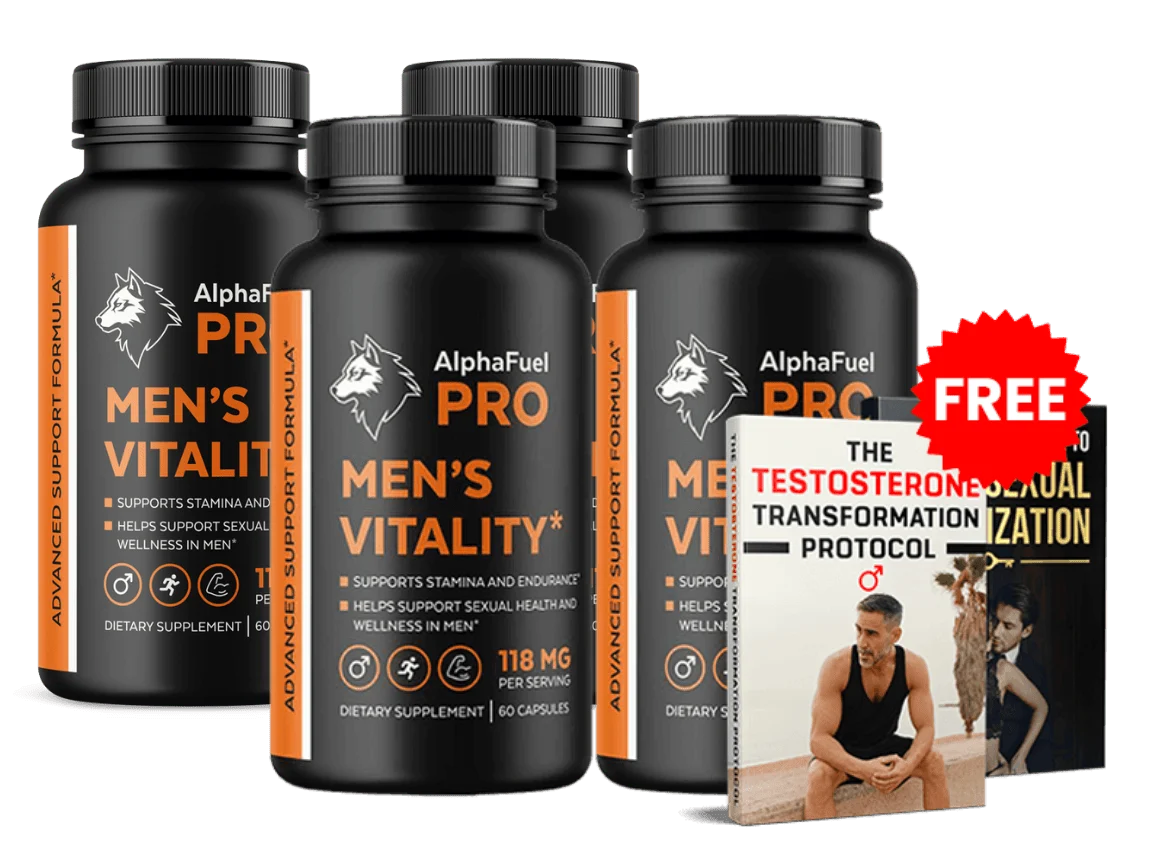
AlphaFuel Pro: A Natural Approach to Male Vitality and Metabolic Support
For men seeking comprehensive support for healthy testosterone levels, metabolism, and overall vitality, AlphaFuel Pro offers a blend of clinically studied natural ingredients. It's designed to work synergistically with your body's natural processes, rather than against them, to help address the root causes of age-related decline.

Eurycoma Longifolia (Tongkat Ali)
Role: Often referred to as Tongkat Ali, this potent herb is renowned for its traditional use in supporting male vitality. Research suggests it may help optimize free testosterone levels by reducing sex hormone-binding globulin (SHBG) and managing cortisol, a stress hormone that can suppress T-production. This can lead to improved energy, mood, and body composition. Explore more benefits of this ingredient at tongkat-ali-eurycoma-longifolia-benefits-for-testosterone-an.html.
Standardized Extract
Epimedium (Horny Goat Weed)
Role: Epimedium, containing the active compound icariin, is traditionally used to support libido and erectile function. Beyond that, it may also contribute to healthy blood flow and help modulate certain enzymes that can affect nitric oxide levels, supporting overall circulatory health crucial for performance and nutrient delivery. Its impact extends to general vitality and energy.
Standardized 10% Icariin
Sarsaparilla Root
Role: Sarsaparilla has a long history in herbal medicine for its adaptogenic and purifying properties. It contains natural plant steroids (saponins) that are believed to have a mild anabolic effect and may support healthy hormone balance. It's also traditionally used to promote detoxification and reduce inflammation, contributing to an optimal environment for metabolic health.
Pure Root Extract
Serenoa Repens (Saw Palmetto)
Role: Primarily known for its benefits in supporting prostate health, Saw Palmetto also plays a role in hormone balance. It may help inhibit the conversion of testosterone into dihydrotestosterone (DHT), a potent androgen that can contribute to certain male health concerns. By supporting a healthy balance, it helps ensure more testosterone is available for its beneficial systemic effects.
Standardized Berry ExtractAlphaFuel Pro combines these powerful ingredients to offer a holistic approach to male health, supporting not only testosterone levels but also energy, stamina, and metabolic efficiency. It's formulated to be a comprehensive, natural solution for men looking to reclaim their vitality and optimize their body's inherent capabilities.
Reclaim Your Vitality: Experience the AlphaFuel Pro Difference
If you're ready to address the root causes of sluggish metabolism and stubborn weight gain, AlphaFuel Pro offers a powerful, natural solution. Our meticulously crafted formula is designed to support healthy testosterone levels, boost energy, and enhance your body's natural fat-burning capabilities.
- ✓ Supports Healthy Testosterone Levels
- ✓ Boosts Energy & Stamina
- ✓ Enhances Metabolic Rate for Fat Loss
- ✓ Promotes Lean Muscle Mass
- ✓ 100% Natural, Non-GMO Ingredients



Hear From Men Who've Reclaimed Their Vitality
"I was skeptical at first, but AlphaFuel Pro has truly changed my energy levels and helped me finally shed that stubborn belly fat. I feel like I'm in my 30s again!"
"My metabolism felt like it had hit a wall. After a few months on AlphaFuel Pro, I've noticed a significant improvement in my stamina, strength, and I'm losing weight more easily."
"The fatigue was crushing, and I couldn't understand why I was gaining weight despite eating well. AlphaFuel Pro gave me back my drive and helped kickstart my metabolism. Highly recommend."
Frequently Asked Questions
How does low testosterone specifically impact weight gain in men?
+Low testosterone can lead to increased fat storage, particularly around the abdomen, and a decrease in lean muscle mass. Muscle is more metabolically active than fat, so less muscle means a slower metabolism, making weight loss much harder. It can also affect insulin sensitivity, further contributing to fat accumulation.
Can boosting testosterone levels help with stubborn belly fat?
+Yes, studies suggest a strong correlation between healthy testosterone levels and reduced abdominal fat. Testosterone plays a role in fat metabolism and helps maintain muscle mass, which burns more calories. Optimizing T-levels, alongside diet and exercise, can significantly aid in reducing stubborn belly fat.
What role does metabolism play in this connection?
+Metabolism is the process by which your body converts food into energy. Testosterone influences metabolic rate by affecting muscle mass and fat distribution. Lower T can slow metabolism, leading to fewer calories burned at rest and easier weight gain, even with consistent diet and exercise efforts.
Are there natural ways to support healthy testosterone levels for weight management?
+Absolutely. Lifestyle changes like regular strength training, adequate sleep, stress management, and a balanced diet rich in zinc, vitamin D, and healthy fats are crucial. Certain natural herbs and compounds can also offer support, working synergistically with these lifestyle factors.
What are common symptoms of low testosterone beyond weight gain?
+Besides difficulty losing weight, men with low testosterone may experience reduced libido, erectile dysfunction, fatigue, decreased muscle mass and strength, mood changes (irritability, depression), difficulty concentrating, and reduced bone density.
How quickly can one expect to see changes in weight or metabolism after addressing testosterone levels?
+The timeline for seeing changes varies greatly depending on individual factors, the severity of low T, and the chosen intervention methods. While some men might notice improvements in energy and mood within weeks, significant changes in body composition and metabolism typically require several months of consistent effort, combining lifestyle adjustments with targeted support.
Related Articles