Feeling sluggish, unmotivated, or losing your edge before 40?
Many men associate declining testosterone levels with middle age or later life. However, a growing body of research, coupled with clinical observations, indicates that a significant number of men under the age of 40 are experiencing symptoms of low testosterone, often referred to as 'Low T' or hypogonadism.
This isn't just about libido; it's about your overall energy, mood, cognitive function, and long-term health. Recognizing the subtle yet impactful signs of low testosterone early can be crucial for addressing the issue proactively and reclaiming your vitality.
The Rising Tide of Low Testosterone in Younger Men
Testosterone is a vital hormone for men, influencing everything from muscle mass and bone density to mood and sexual health. While a natural decline occurs with age, its prevalence in men under 40 is a growing concern, often linked to modern lifestyle factors. Understanding this trend is the first step towards recognizing the signs in yourself or others.
For decades, low testosterone was primarily considered an issue affecting older men, typically those over 50. However, recent studies and increased clinical awareness have highlighted a concerning trend: more and more men in their 20s and 30s are presenting with symptoms indicative of suboptimal testosterone levels. This phenomenon is not merely anecdotal; scientific literature points to a potential decline in average testosterone levels across generations, regardless of age. This shift means that symptoms once dismissed as 'stress' or 'part of growing up' for younger men might actually be indicators of a deeper hormonal imbalance. The implications extend beyond physical health, impacting mental well-being, relationships, and overall quality of life. As a neurology researcher, I've observed how deeply hormonal balance influences cognitive function and emotional regulation, making early detection of low testosterone in younger men even more critical.
The causes for this rising trend are multifaceted, encompassing a complex interplay of environmental, dietary, and lifestyle factors. Increased exposure to endocrine-disrupting chemicals found in plastics and pesticides, coupled with sedentary lifestyles, poor nutritional choices high in processed foods, chronic stress, and inadequate sleep, are all believed to contribute. Furthermore, the rising rates of obesity and type 2 diabetes among younger populations are significant risk factors, as these conditions are strongly linked to lower testosterone production. It's a silent epidemic that demands attention, not just from healthcare professionals but from individuals who need to be empowered with the knowledge to identify and address these issues proactively.
💡 Key Takeaway
Low testosterone is no longer just an older man's problem. A significant percentage of men under 40 are experiencing symptoms, often due to modern lifestyle choices and environmental factors. Recognizing these early signs is paramount for maintaining long-term health and vitality.
Crucial Signs of Low Testosterone to Watch For in Men Under 40
Early recognition of low testosterone symptoms can lead to timely intervention and improved quality of life. Pay close attention to these indicators, as they often manifest differently or are more easily dismissed in younger individuals.
Decreased Libido and Sexual Function
One of the most commonly recognized signs, a noticeable drop in sex drive, is a primary indicator. This can manifest as a lack of interest in sex, fewer spontaneous erections, or difficulty achieving and maintaining erections. For men under 40, this can be particularly distressing and impact relationships.
Persistent Fatigue and Low Energy
Feeling constantly tired, even after adequate sleep, is a hallmark symptom. This isn't just occasional tiredness but a profound lack of energy that impacts daily activities, exercise, and motivation. You might find yourself struggling to get through the day or needing more naps than usual, a sign that your body's energy regulation is off.
Mood Changes and Emotional Instability
Testosterone plays a critical role in mood regulation. Low levels can lead to increased irritability, anxiety, unexplained sadness, or even symptoms akin to depression. Younger men might experience a general feeling of being "off" or a loss of enthusiasm for activities they once enjoyed, often misinterpreted as stress or psychological issues.
Loss of Muscle Mass and Increased Body Fat
Despite regular workouts, you might notice a decrease in muscle strength and size, along with an increase in body fat, particularly around the abdomen. Testosterone is crucial for building and maintaining muscle tissue and influences fat distribution. A shift in body composition without a change in diet or exercise can be a significant clue.
Poor Sleep Quality
While low T doesn't directly cause insomnia, it can exacerbate sleep problems, including restless sleep or sleep apnea. Poor sleep, in turn, can further suppress testosterone production, creating a vicious cycle. If you're consistently waking up unrefreshed, it's worth investigating.
Brain Fog and Reduced Concentration
Testosterone impacts cognitive function, including memory and focus. Younger men with low T may report difficulty concentrating, reduced mental clarity, or a general "brain fog." This can affect performance at work or in studies, making complex tasks feel overwhelming.
Decreased Bone Density
Testosterone is essential for maintaining strong bones. While typically a long-term consequence, severe or prolonged low T in younger men can lead to reduced bone mineral density, increasing the risk of fractures later in life. This symptom is less noticeable but can be detected through bone density scans.
Hair Loss
While male pattern baldness is often genetic, a significant and rapid increase in hair loss on the body or head can sometimes be linked to hormonal imbalances, including low testosterone. It's not a definitive sign on its own, but combined with other symptoms, it warrants consideration.

Understanding the Root Causes in Younger Men
Identifying the symptoms is only half the battle; understanding why testosterone levels might be dropping in younger men is crucial for effective intervention. Several factors, often interconnected, contribute to this complex issue.
One of the most significant contributors is lifestyle. A sedentary lifestyle, coupled with a diet high in processed foods, refined sugars, and unhealthy fats, can severely impair hormone production. Obesity, in particular, is a major risk factor, as adipose tissue (fat cells) converts testosterone into estrogen, further reducing available T-levels. Chronic stress, a pervasive issue in modern society, also plays a detrimental role. High cortisol levels, released during stress, can directly suppress testosterone synthesis. Furthermore, inadequate sleep, especially less than 7-9 hours per night, has been shown to significantly reduce morning testosterone levels, as much of the body's hormone production and regulation occurs during deep sleep cycles.
Medical conditions can also be underlying causes. Type 2 diabetes, even in its early stages, is strongly associated with lower testosterone. Pituitary gland disorders, which regulate hormone production, or testicular injuries can also lead to primary or secondary hypogonadism. Certain medications, including opioids, steroids, and some antidepressants, can have a suppressive effect on testosterone production. It's essential to discuss all medications with your doctor if you suspect low T. Environmental factors are also gaining recognition. Exposure to endocrine-disrupting chemicals (EDCs) found in plastics (BPA, phthalates), pesticides, and certain personal care products can mimic or block hormones, thereby interfering with natural testosterone synthesis. Reducing exposure to these toxins is a proactive step for hormonal health.
Ultimately, a holistic approach is often required. While lifestyle changes are a powerful first step, sometimes additional support is needed. For those exploring natural avenues, understanding herbs that boost male hormones can provide valuable insights. These natural ingredients, often used for centuries in traditional medicine, are now being studied for their potential to support the body's intrinsic hormone-producing mechanisms.
Diagnosing Low T and Initial Steps
Consult Your Doctor
If you recognize several symptoms, the first step is to consult your physician. They can provide an accurate diagnosis and rule out other conditions. Don't self-diagnose based on symptoms alone.
Blood Tests
Diagnosis of low testosterone primarily involves blood tests to measure total and free testosterone levels. These tests are typically done in the morning (between 7-10 AM) when T-levels are highest. Multiple tests may be required to confirm a diagnosis.
Identify Underlying Causes
Your doctor will also look for underlying causes, such as obesity, diabetes, sleep apnea, or other medical conditions. Addressing these primary issues can often lead to significant improvements in testosterone levels.
Lifestyle Assessment
Be prepared to discuss your lifestyle habits, including diet, exercise, sleep patterns, stress levels, and alcohol consumption. These details are crucial for your doctor to formulate a comprehensive treatment plan.
Pathways to Restoring Balance: Beyond Just Medication
While medical intervention like Testosterone Replacement Therapy (TRT) is an option for some, it's often a last resort, especially for younger men. A comprehensive approach, focusing on natural methods first, can yield significant and sustainable improvements.
The cornerstone of any plan to optimize testosterone levels should be lifestyle modification. This includes adopting a nutrient-dense, whole-foods diet, engaging in regular physical activity (with a focus on strength training and high-intensity interval training), prioritizing 7-9 hours of quality sleep, and effectively managing stress. These foundational changes can dramatically impact hormone production and overall well-being. For example, specific dietary choices like consuming adequate healthy fats and micronutrients (zinc, magnesium, vitamin D) are directly linked to testosterone synthesis. Similarly, consistent resistance exercise stimulates the release of growth hormone and testosterone. If you're looking for practical advice on enhancing your energy, consider exploring how to improve male energy naturally, which often aligns with testosterone-boosting strategies.
Beyond lifestyle, many men explore natural support options. This is where high-quality, scientifically-backed supplements come into play. Ingredients derived from traditional medicine, such as Epimedium (Horny Goat Weed), Eurycoma Longifolia (Tongkat Ali), and Saw Palmetto, have gained attention for their potential to support male hormonal health. These ingredients are thought to work through various mechanisms, including modulating sex hormone-binding globulin (SHBG), reducing aromatase activity (which converts testosterone to estrogen), or directly stimulating testosterone production pathways. When considering such options, it's vital to choose supplements that are transparent about their ingredients, dosages, and manufacturing quality.
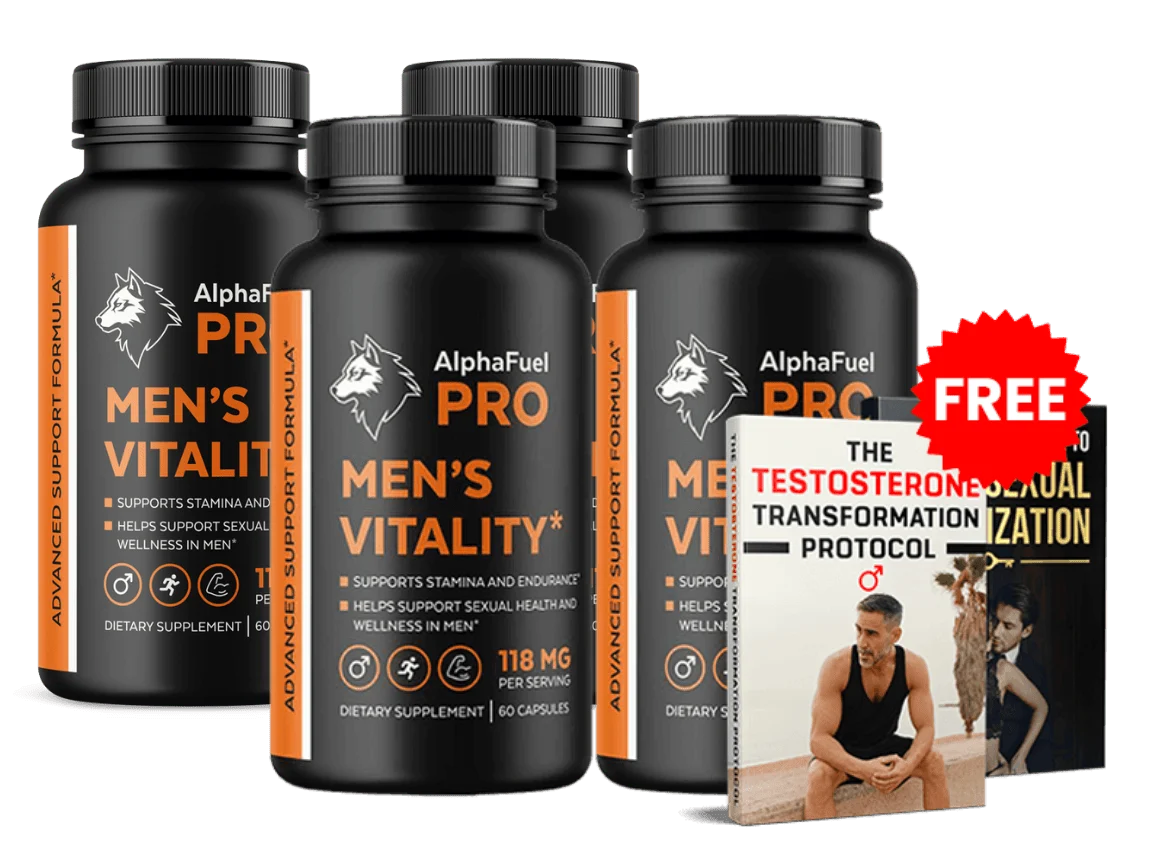
For men under 40, the goal is often to stimulate the body's natural production rather than relying on exogenous hormones. This approach helps maintain the body's own regulatory systems. AlphaFuel Pro, for instance, is formulated with a blend of natural ingredients specifically chosen for their synergistic effects in supporting male vitality, energy, and hormonal balance. It aims to provide comprehensive support as part of a healthy lifestyle, helping men address the root causes of their symptoms. While AlphaFuel Pro can be a powerful ally, it's always recommended to discuss any new supplement regimen with a healthcare provider, especially if you have existing health conditions or are taking other medications.
Natural Allies: Key Ingredients for Male Hormonal Support
Understanding the role of specific natural ingredients can empower men to make informed choices for their hormonal health. These botanical extracts are often found in comprehensive male support formulas.

Epimedium (Horny Goat Weed)
Role: Traditionally used to support libido and sexual function, Epimedium contains icariin, which may enhance nitric oxide levels, promoting blood flow and potentially supporting testosterone production. It's a popular choice for male vitality.
Typical Dose: 500-1000 mg of extract
Eurycoma Longifolia (Tongkat Ali)
Role: This Malaysian herb is renowned for its potential to support healthy testosterone levels by reducing sex hormone-binding globulin (SHBG) and lowering cortisol, thereby increasing free testosterone. It's also linked to improved mood and energy.
Typical Dose: 200-400 mg of 100:1 extract
Serenoa Repens (Saw Palmetto)
Role: Primarily known for its benefits in prostate health, Saw Palmetto may also play a role in hormonal balance by inhibiting the enzyme 5-alpha-reductase, which converts testosterone to dihydrotestosterone (DHT). This helps maintain testosterone levels.
Typical Dose: 160-320 mg of extract
Sarsaparilla Root
Role: Often used in traditional medicine for its adaptogenic and anti-inflammatory properties, Sarsaparilla Root is believed to support overall hormonal health and detoxification. It may indirectly aid testosterone balance by supporting general wellness.
Typical Dose: 500-1000 mg of root powder
Reclaim Your Vitality with AlphaFuel Pro
If you're a man under 40 experiencing the frustrating signs of low testosterone, AlphaFuel Pro offers a natural, comprehensive solution designed to support your body's innate ability to produce and utilize this vital hormone. Don't let low energy, flagging libido, or mood shifts dictate your life.
- ✓ Supports Healthy Testosterone Levels Naturally
- ✓ Boosts Energy, Stamina, and Physical Performance
- ✓ Enhances Libido and Sexual Function
- ✓ Promotes Improved Mood and Mental Clarity
- ✓ Made with Potent, Clinically Researched Natural Ingredients



What Our Users Are Saying
"I'm 35 and felt like I was running on fumes. AlphaFuel Pro changed everything. My energy is back, I'm sharper at work, and my workouts are finally yielding results again. It's been a game-changer."
"My libido took a nosedive in my late 20s, which was worrying. After a few weeks on AlphaFuel Pro, I noticed a significant improvement. My confidence is up, and I feel like myself again. Highly recommend."
"I was skeptical, but the constant fatigue and brain fog were unbearable at 32. AlphaFuel Pro gave me my mental clarity back and a steady energy throughout the day. No jitters, just sustained focus. Great product."
Frequently Asked Questions
Is low testosterone common in men under 40?
+While often associated with aging, low testosterone (hypogonadism) is increasingly prevalent in men under 40, affecting a significant percentage. Factors like lifestyle, diet, stress, and environmental influences contribute to this trend. It's crucial for younger men to be aware of the symptoms and seek medical advice if they suspect their levels are low.
What are the primary symptoms of low T in younger men?
+The primary symptoms of low testosterone in younger men often include persistent fatigue, reduced libido, difficulty achieving or maintaining erections, unexplained weight gain (especially around the abdomen), loss of muscle mass, mood swings, irritability, difficulty concentrating, and poor sleep quality. These symptoms can significantly impact quality of life.
How is low testosterone diagnosed in men under 40?
+Diagnosis typically involves a physical examination and blood tests to measure total and free testosterone levels. These tests are usually performed in the morning when testosterone levels are highest. Your doctor may also check other hormone levels and health markers to rule out other conditions and identify potential underlying causes.
Can lifestyle changes improve low testosterone levels?
+Absolutely. Lifestyle modifications are often the first line of defense. Regular exercise (especially strength training), a balanced diet rich in whole foods, adequate sleep (7-9 hours per night), stress management techniques, and avoiding excessive alcohol and processed foods can significantly help optimize natural testosterone production. Limiting exposure to endocrine-disrupting chemicals is also beneficial.
Are natural supplements effective for supporting healthy testosterone levels?
+Many men find natural supplements to be a supportive option for maintaining healthy testosterone levels, especially when combined with a healthy lifestyle. Ingredients like Epimedium, Eurycoma Longifolia, Saw Palmetto, and Sarsaparilla Root are often included in formulas designed to support male hormonal balance and vitality. However, it's important to choose high-quality supplements and consult with a healthcare professional before starting any new regimen.
When should a young man see a doctor for low T symptoms?
+If you are experiencing persistent symptoms of low testosterone that are affecting your quality of life, it's important to consult with a doctor. Early diagnosis and intervention can help prevent more serious health issues and improve your overall well-being. Don't dismiss these symptoms as just 'getting older' or stress-related, especially if you are under 40.
Related Articles