Feeling a shift in your energy, drive, or overall vitality as you cross into your 30s?
It's a common experience for many men: a subtle, yet noticeable change in how you feel, both physically and mentally. This often coincides with a natural, age-related decline in testosterone levels, a critical hormone governing much of what makes a man feel robust and energetic.
While age is a primary factor, it's crucial to understand that it's not the only culprit. A myriad of lifestyle, environmental, and health factors can accelerate or exacerbate this decline, leading to symptoms that impact daily life. Recognizing these underlying causes is the first step towards reclaiming your vitality and optimizing your health.
The Natural Shift: Understanding Testosterone's Role and Decline
Testosterone, often hailed as the cornerstone of male health, is far more than just a sex hormone. It plays a pivotal role in maintaining energy levels, muscle mass, bone density, red blood cell production, mood, and cognitive function. Produced primarily in the testes, its influence permeates nearly every system in the male body.
For men, testosterone levels typically peak in late adolescence and early adulthood. However, as the calendar pages turn past the age of 30, a gradual, yet consistent, decline begins. This isn't a sudden drop but a slow erosion, typically at a rate of about 1% per year. While this might seem insignificant initially, over a decade or two, the cumulative effect can be substantial, leading to noticeable changes in physical and mental well-being. Understanding this natural progression is fundamental to addressing it effectively.
Age: The Primary, Unavoidable Factor in Testosterone Decline
It's an undeniable biological reality: with age, the body's capacity to produce testosterone diminishes. The Leydig cells in the testes, responsible for synthesizing testosterone, become less efficient over time. This age-related decline, termed andropause or late-onset hypogonadism, is a complex process influenced by genetics and the cumulative wear and tear on the body's endocrine system.
While age sets the baseline for this decline, it's crucial not to view it as the sole determinant of your vitality. Many other factors interact with the aging process, either accelerating the decline or exacerbating its symptoms. This is where individual choices and environmental exposures come into play, offering opportunities for intervention and support.
💡 Key Takeaway
Testosterone decline after age 30 is a natural biological process, but its severity and impact are significantly influenced by a combination of lifestyle choices, environmental factors, and underlying health conditions, offering multiple avenues for proactive management.
Lifestyle Choices: Accelerators of Testosterone Decline
Beyond age, our daily habits and choices profoundly impact hormonal balance. Modern lifestyles, unfortunately, often create a perfect storm for accelerating testosterone decline, even in younger men.
The Impact of Diet on Hormonal Health
What you eat directly influences your body's ability to produce and regulate hormones. A diet rich in processed foods, refined sugars, and unhealthy fats can lead to inflammation and insulin resistance, both of which are detrimental to testosterone production. Conversely, deficiencies in crucial micronutrients like zinc, Vitamin D, and magnesium are directly linked to lower T levels. These nutrients are essential cofactors in the enzymatic pathways involved in testosterone synthesis. Ensuring a diet rich in whole foods, lean proteins, healthy fats, and plenty of fruits and vegetables is a foundational step in supporting male hormonal health.
Lack of Physical Activity and Obesity
A sedentary lifestyle is a significant contributor to low testosterone. Regular physical activity, particularly strength training and high-intensity interval training (HIIT), has been shown to boost testosterone levels. Conversely, excessive body fat, especially visceral fat around the abdomen, can convert testosterone into estrogen via an enzyme called aromatase. This process not only reduces available testosterone but also increases estrogen, further disrupting hormonal balance. Maintaining a healthy body weight through consistent exercise and a balanced diet is paramount.
The Silent Saboteur: Poor Sleep Quality
Sleep is not merely rest; it's a critical period for hormonal regulation and recovery. Chronic sleep deprivation or poor sleep quality significantly disrupts the body's circadian rhythm and impairs testosterone production. Studies show that men who consistently sleep less than 7-8 hours per night often have significantly lower testosterone levels than those who get adequate rest. During deep sleep, the body releases growth hormone and optimizes conditions for testosterone synthesis. Prioritizing 7-9 hours of quality sleep is a non-negotiable factor for hormonal well-being.
Chronic Stress and Its Hormonal Toll
In today's fast-paced world, chronic stress has become an unfortunate norm. When the body is under constant stress, it releases high levels of cortisol, the primary stress hormone. Cortisol and testosterone share precursor hormones, meaning that when the body prioritizes cortisol production, it often "steals" resources away from testosterone synthesis. Furthermore, chronic cortisol elevation can directly suppress testicular function, leading to reduced T production. Effective stress management techniques, such as mindfulness, meditation, hobbies, and spending time in nature, are vital for maintaining a healthy hormonal profile.
Alcohol and Smoking: Direct Testicular Toxicity
Excessive alcohol consumption and smoking are known to have a direct toxic effect on the testes, impairing their ability to produce testosterone. Alcohol can also interfere with the liver's ability to metabolize hormones, further contributing to imbalances. Quitting smoking and moderating alcohol intake are critical steps for any man looking to optimize his testosterone levels.
Environmental Toxins: Hidden Saboteurs of Male Hormones
Our modern environment, teeming with synthetic chemicals, presents a silent but powerful threat to male hormonal health. These substances, often referred to as Endocrine-Disrupting Chemicals (EDCs), can mimic or block the action of natural hormones, leading to significant disruption.
Plastics (BPA, Phthalates)
Found in food containers, water bottles, and many consumer products, these chemicals can leach into our food and water. They are known to have estrogenic effects, meaning they can mimic estrogen in the body, which can suppress testosterone production and disrupt hormonal balance.
Pesticides & Herbicides
Chemicals used in agriculture, such as atrazine and glyphosate, are widespread in our food supply and environment. Many of these have been identified as EDCs, interfering with testosterone synthesis and metabolism, and potentially contributing to lower levels.
Heavy Metals
Exposure to heavy metals like lead, cadmium, and mercury, often from industrial pollution, contaminated water, or certain foods, can be toxic to the testes and impair the enzymes involved in testosterone production, leading to reduced levels.
Personal Care Products
Many cosmetics, lotions, and cleaning products contain parabens and triclosan, which are also EDCs. Regular exposure through skin absorption can contribute to the cumulative toxic load on the endocrine system, impacting testosterone.
Minimizing exposure to these toxins by choosing organic foods, using glass or stainless steel containers, filtering water, and opting for natural personal care products can be a powerful step in protecting your hormonal health. Such preventative measures are an excellent addition to any routine for male energy remedies that work.
Underlying Health Conditions: Medical Contributors to Low T
While age and lifestyle are major players, certain medical conditions can significantly contribute to or exacerbate low testosterone levels, sometimes independently of age.
Obesity and Type 2 Diabetes: These two conditions are intimately linked with low testosterone. Adipose (fat) tissue contains the aromatase enzyme, which converts testosterone into estrogen. The more body fat a man has, particularly around the abdomen, the more testosterone is converted to estrogen, leading to lower circulating T levels. Type 2 diabetes, often a consequence of obesity and poor lifestyle, also directly impairs Leydig cell function and reduces testosterone. The relationship is often cyclical: low T can contribute to weight gain and insulin resistance, creating a vicious cycle.
Metabolic Syndrome: A cluster of conditions including high blood pressure, high blood sugar, excess body fat around the waist, and abnormal cholesterol levels, metabolic syndrome is a strong predictor of low testosterone. Addressing these components through diet, exercise, and medical management is crucial for hormonal balance.
Hypogonadism: This is a clinical condition where the body doesn't produce enough testosterone. It can be primary (testicular failure) or secondary (problem with the brain's signaling to the testes). Causes range from genetic conditions to injury, infection, or pituitary gland disorders. Diagnosis requires comprehensive medical evaluation and blood tests.
Sleep Apnea: This common sleep disorder, characterized by pauses in breathing during sleep, can severely disrupt sleep architecture and significantly lower testosterone levels. The intermittent drops in oxygen and disrupted sleep cycles directly interfere with the nocturnal surge of testosterone production. Treating sleep apnea often leads to improvements in T levels.
Certain Medications: Some medications, including opioids, corticosteroids, and certain antidepressants, can suppress testosterone production as a side effect. If you're on long-term medication and experiencing symptoms of low T, discuss potential alternatives or management strategies with your doctor.
Chronic Illnesses: Conditions such as chronic kidney disease, liver cirrhosis, and HIV/AIDS can also contribute to lower testosterone levels due to systemic inflammation, nutritional deficiencies, and direct effects on endocrine function. Addressing the underlying chronic illness is key to managing associated hormonal imbalances.
Symptoms of Low Testosterone (Low T): What to Look For
The symptoms of low testosterone can be subtle and easily attributed to "just getting older." However, recognizing these signs is the first step towards seeking solutions and improving your quality of life.
Persistent Fatigue and Low Energy: One of the most common complaints, a pervasive feeling of tiredness that isn't relieved by rest. This isn't just feeling sleepy; it's a lack of drive and zest for life that impacts daily activities.
Reduced Libido and Erectile Dysfunction: Testosterone is fundamental for sexual desire and function. A noticeable drop in sex drive, difficulty achieving or maintaining erections, or less satisfying orgasms are significant indicators.
Mood Changes and Cognitive Issues: Low T can manifest as increased irritability, mood swings, feelings of depression, and a general lack of motivation. Men may also experience reduced mental clarity, difficulty concentrating, and memory problems.
Loss of Muscle Mass and Increased Body Fat: Testosterone is anabolic, meaning it helps build and maintain muscle. With lower levels, men may notice a decrease in strength and muscle mass, even with regular exercise, coupled with an increase in body fat, particularly around the abdomen.
Decreased Bone Density: Testosterone plays a crucial role in bone health. Chronic low T can lead to a reduction in bone mineral density, increasing the risk of osteoporosis and fractures over time.
Hair Loss and Hot Flashes: While less common, some men may experience thinning body hair or even hot flashes, similar to menopausal symptoms in women, though this is usually associated with very low T levels.
If you are experiencing a combination of these symptoms, it's important to consult with a healthcare professional for proper diagnosis and guidance. They can help determine if low testosterone is the cause and recommend appropriate interventions. For those seeking to naturally support their energy and vitality, exploring natural male energy relief remedies can be a beneficial starting point.
Strategies to Mitigate Testosterone Decline
While a complete reversal of age-related testosterone decline might not be possible, there are numerous powerful strategies to support healthy levels, mitigate symptoms, and significantly improve overall male vitality. A holistic approach is often the most effective.
Optimize Your Diet for Hormonal Health
Focus on whole, unprocessed foods. Incorporate healthy fats (avocado, nuts, olive oil), lean proteins, and complex carbohydrates. Pay special attention to micronutrients like zinc (oysters, beef, pumpkin seeds), Vitamin D (sunlight, fatty fish, fortified foods), and magnesium (leafy greens, nuts, seeds), which are crucial for testosterone synthesis. Limit refined sugars, processed foods, and excessive alcohol.
Embrace Regular and Targeted Exercise
Prioritize strength training (lifting weights) 3-4 times a week, as it's highly effective for boosting testosterone. Incorporate high-intensity interval training (HIIT) a couple of times a week. Avoid chronic, excessive endurance training, which can sometimes have the opposite effect. Consistency is key for muscle maintenance and fat loss, both beneficial for T levels.
Prioritize Quality Sleep
Aim for 7-9 hours of uninterrupted sleep each night. Establish a consistent sleep schedule, even on weekends. Create a dark, cool, and quiet sleep environment. Avoid screens before bed and limit caffeine and heavy meals late in the evening. Quality sleep is essential for the body's natural testosterone production cycle.
Master Stress Management
Chronic stress elevates cortisol, which suppresses testosterone. Integrate stress-reducing practices into your daily routine: meditation, yoga, deep breathing exercises, spending time in nature, or engaging in hobbies you enjoy. Learning to manage stress is crucial for maintaining overall hormonal balance.
Minimize Environmental Toxin Exposure
Reduce contact with endocrine-disrupting chemicals (EDCs) found in plastics (BPA, phthalates), pesticides, and certain personal care products. Choose organic produce when possible, use glass or stainless steel containers, and opt for natural, chemical-free household and personal care items. This helps reduce the burden on your endocrine system.
Maintain a Healthy Body Weight
Excess body fat, particularly around the midsection, increases the conversion of testosterone to estrogen. Achieving and maintaining a healthy body mass index (BMI) through a combination of diet and exercise is one of the most effective ways to support optimal testosterone levels and overall metabolic health.
Considering Natural Support: AlphaFuel Pro as an Option
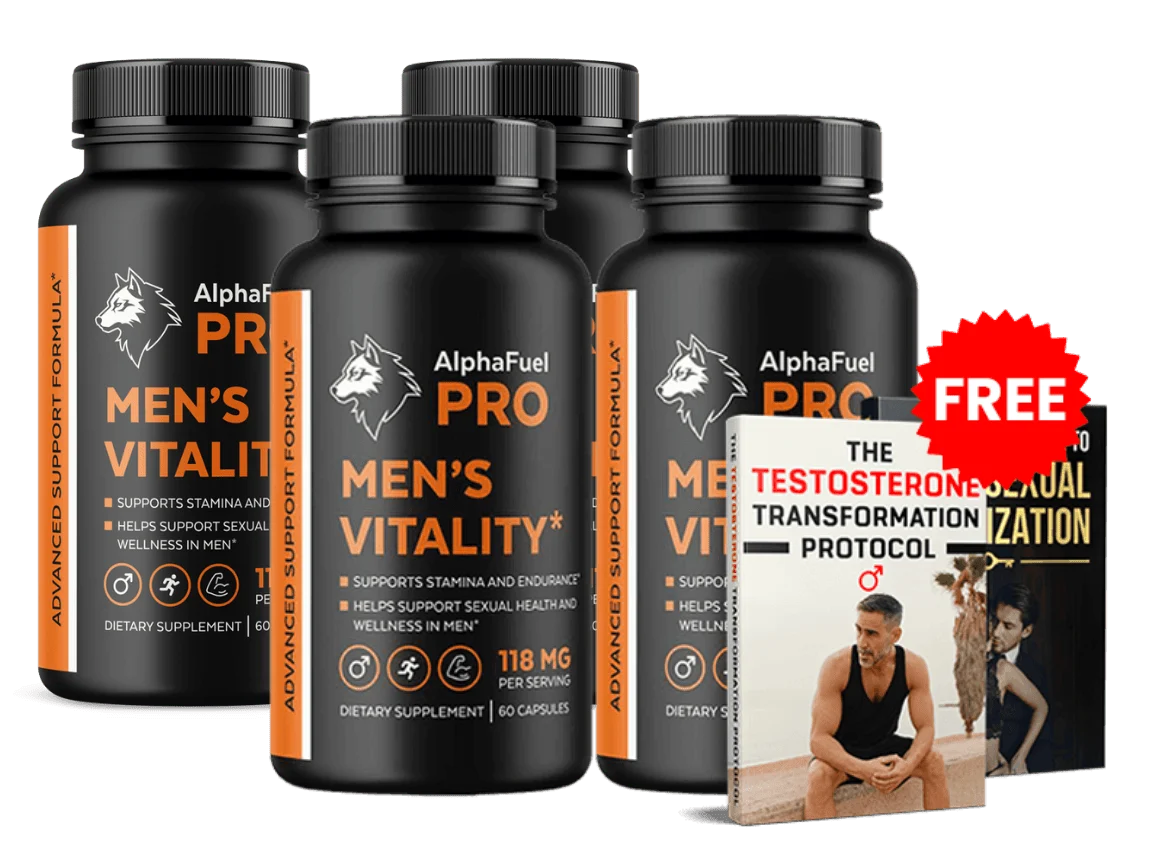
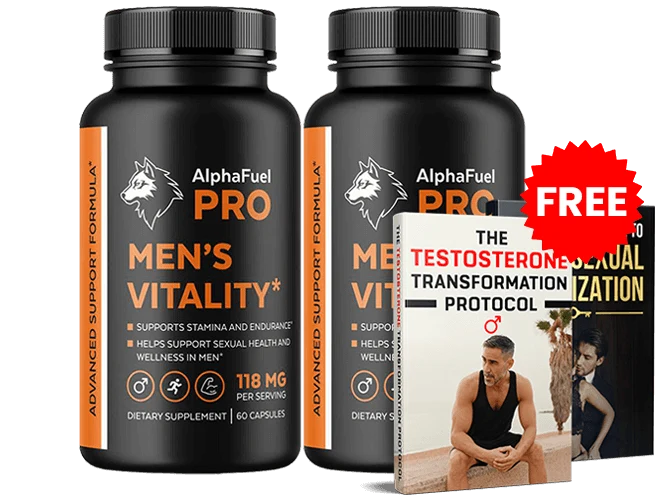
While lifestyle changes form the bedrock of hormonal health, some men may seek additional support to optimize their testosterone levels and combat the effects of age-related decline. This is where natural supplements, carefully formulated with research-backed ingredients, can play a complementary role. AlphaFuel Pro is designed as one such solution, aiming to support the body's natural testosterone production pathways.
AlphaFuel Pro takes a multi-faceted approach, recognizing that boosting testosterone isn't just about one ingredient, but a synergy of components that address various aspects of male vitality. Its formulation focuses on providing targeted nutritional support that may be difficult to obtain solely through diet, and includes ingredients known for their traditional use and emerging scientific evidence in supporting male hormonal health, energy, and performance. For those specifically looking for the best supplement for male stamina, a comprehensive product like AlphaFuel Pro might offer the broad support needed.
The Science Behind AlphaFuel Pro's Key Ingredients
AlphaFuel Pro is formulated with a blend of natural ingredients, each carefully selected for its potential role in supporting male hormonal balance, energy, and overall well-being. Here's a closer look at some of the core components:

Epimedium (Horny Goat Weed)
Role: Traditionally used in Chinese medicine, Epimedium contains icariin, a flavonoid believed to support nitric oxide levels, which can contribute to improved blood flow. It's also thought to have properties that may help protect testicular function and support libido.
Standardized extract, optimal dosage
Eurycoma Longifolia (Tongkat Ali)
Role: A well-researched herb from Southeast Asia, Tongkat Ali is renowned for its adaptogenic qualities and its ability to support healthy testosterone levels. It's believed to do this by promoting the release of free testosterone from its binding protein, SHBG, and by reducing cortisol, thereby improving the testosterone-to-cortisol ratio.
200-400mg extract
Sarsaparilla Root
Role: Sarsaparilla has been historically used for its purported detoxifying and anti-inflammatory properties. While not a direct testosterone booster, it's often included in male health formulations for its potential to support overall hormonal balance and well-being, aiding in the body's natural processes.
500-1000mg powder
Serenoa Repens (Saw Palmetto)
Role: Primarily known for its benefits in supporting prostate health, Saw Palmetto also plays a role in hormonal balance. It's believed to inhibit the enzyme 5-alpha reductase, which converts testosterone into dihydrotestosterone (DHT). By modulating this conversion, it can help maintain healthy testosterone levels while supporting prostate health.
320mg standardized extractThis synergistic blend is designed to work with your body, not against it, providing comprehensive support for men experiencing age-related shifts in their hormonal profile. AlphaFuel Pro is crafted to be a natural ally in your journey towards sustained vitality and well-being.
Beyond Supplements: A Holistic Approach to Male Vitality
It's important to reiterate that while supplements like AlphaFuel Pro can provide valuable support, they are most effective when integrated into a broader, holistic strategy for male health. There is no magic bullet for optimal vitality, but rather a combination of consistent, conscious choices.
Think of AlphaFuel Pro as a powerful complement to your efforts, not a replacement for fundamental healthy habits. Continuing to prioritize a nutrient-dense diet, engaging in regular physical activity, ensuring adequate and restorative sleep, and effectively managing stress are all non-negotiable pillars for maintaining healthy testosterone levels and overall well-being. By combining these foundational elements with targeted nutritional support, you create an environment where your body is best equipped to thrive and produce hormones optimally.
Consistency is key. Just as testosterone decline is a gradual process, so too is the journey of reclaiming and maintaining your vitality. Small, consistent efforts across all these areas accumulate over time to produce significant, lasting results. This integrated approach empowers you to take active control of your health, rather than passively accepting age-related decline.
Ready to Reclaim Your Edge? Experience AlphaFuel Pro!
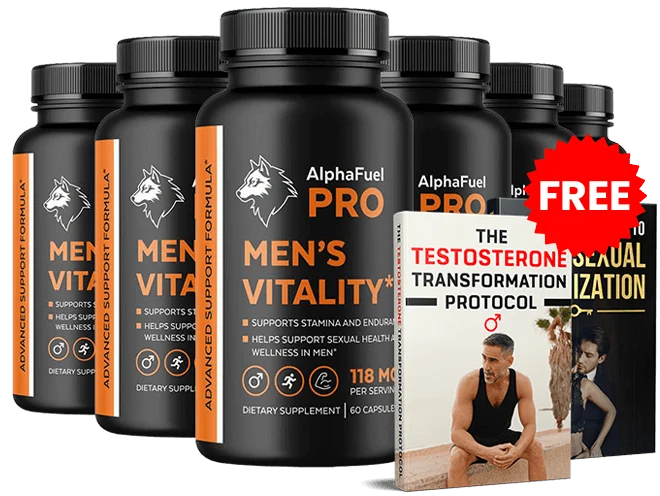
Don't let age dictate your vitality. AlphaFuel Pro is a cutting-edge formula designed to support healthy testosterone levels naturally, helping you combat the effects of age-related decline and reclaim your youthful vigor.
- Supports Healthy Testosterone Production
- Boosts Energy & Stamina
- Enhances Libido & Performance
- Promotes Lean Muscle Mass
- Formulated with Clinically Studied Natural Ingredients



What Our Customers Are Saying
"After 35, I felt a noticeable drop in energy and drive. AlphaFuel Pro helped me get back to feeling like myself again, with more stamina and focus. Highly recommend!"
"I was skeptical, but the results speak for themselves. My workouts are better, and I feel a renewed sense of confidence. AlphaFuel Pro is a game-changer for men in their 30s and beyond."
"The fatigue was getting to me. Since starting AlphaFuel Pro, I've got more energy for my family and my job. It's truly made a difference in my overall well-being."
Frequently Asked Questions
Is a testosterone drop after 30 inevitable?
+While a gradual decline in testosterone is a natural part of aging, its severity and impact are not entirely inevitable. Lifestyle factors play a significant role, and proactive measures can significantly mitigate the rate and effects of this decline.
What are the most common symptoms of low testosterone?
+Common symptoms include persistent fatigue, reduced libido, erectile dysfunction, loss of muscle mass, increased body fat, mood swings, irritability, and decreased mental focus. If you experience several of these, it's advisable to consult a healthcare professional.
Can diet and exercise truly impact testosterone levels?
+Absolutely. A balanced diet rich in micronutrients like zinc and Vitamin D, combined with regular strength training and high-intensity interval training, can significantly support healthy testosterone production. These are foundational elements for hormonal balance.
How quickly can I expect to see results from lifestyle changes or supplements?
+Results vary. Lifestyle changes often show gradual improvements over several weeks to months. Supplements like AlphaFuel Pro, when combined with healthy habits, may begin to show noticeable effects within a few weeks, with optimal benefits developing over 2-3 months of consistent use.
Is AlphaFuel Pro safe to use?
+AlphaFuel Pro is formulated with natural ingredients and manufactured in a GMP-certified facility in the USA. It is generally considered safe for healthy adults. However, it's always recommended to consult your physician before starting any new supplement, especially if you have pre-existing medical conditions or are taking other medications.
Where can I purchase AlphaFuel Pro?
+AlphaFuel Pro is exclusively available through its official website to ensure you receive the genuine product and benefit from any special offers. You can find purchase options and learn more by visiting the official AlphaFuel Pro website.
Related Articles