Feeling constantly drained, irritable, and losing your edge? Could stress be silently sabotaging your testosterone?
In today's fast-paced world, stress has become an unwelcome constant for many men. From demanding careers to family responsibilities and financial pressures, the burdens can feel relentless. While we often associate stress with mental exhaustion and anxiety, its impact extends far deeper, directly influencing our physical health, particularly our hormonal balance.
For men, one of the most critical hormonal connections is the interplay between stress and testosterone. The body's primary stress hormone, cortisol, has a well-documented antagonistic relationship with testosterone, often leading to a downward spiral in male vitality and overall well-being. Understanding this intricate connection is the first step toward reclaiming your energy, drive, and health.
The Stress-Testosterone Axis: A Delicate Balance
Your body is an incredible machine, designed with intricate systems to maintain balance, known as homeostasis. When it comes to stress and hormones, two key players are often at odds: cortisol and testosterone.
Cortisol, often dubbed the "stress hormone," is produced by your adrenal glands in response to perceived threats, physical exertion, or psychological pressure. It's vital for your "fight or flight" response, mobilizing energy, suppressing non-essential functions, and helping you cope with immediate danger. However, problems arise when this acute stress response becomes chronic.
Testosterone, on the other hand, is the primary male sex hormone, crucial for muscle mass, bone density, red blood cell production, libido, mood, and cognitive function. Its production is a complex process regulated by the hypothalamic-pituitary-gonadal (HPG) axis. When stress becomes a constant companion, this delicate balance is disrupted, often tipping the scales in favor of cortisol and at the expense of testosterone.
How Cortisol Directly Suppresses Testosterone Production
The link between high cortisol and low testosterone is not merely correlational; it's a direct physiological interaction. Here's a closer look at the mechanisms:
- Competitive Binding: Cortisol and testosterone share common biochemical precursors, particularly pregnenolone. When the body is under chronic stress, it prioritizes cortisol production, diverting these precursors away from testosterone synthesis. This phenomenon is sometimes referred to as the "pregnenolone steal."
- Inhibition of HPG Axis: High cortisol levels can directly inhibit the hypothalamus and pituitary gland, disrupting the signaling cascade that tells the testes to produce testosterone. Specifically, cortisol can reduce the pulsatile release of Gonadotropin-Releasing Hormone (GnRH) from the hypothalamus and Luteinizing Hormone (LH) from the pituitary, both essential for stimulating testosterone production in the Leydig cells of the testes.
- Increased Aromatase Activity: Chronic stress and elevated cortisol can also lead to increased activity of the aromatase enzyme, which converts testosterone into estrogen. While some estrogen is necessary for men, an imbalance can further diminish free testosterone levels and contribute to symptoms like gynecomastia or increased fat storage.
- Reduced Testicular Function: Long-term exposure to high cortisol can directly impair the function of the Leydig cells in the testes, making them less responsive to LH signals and thus less efficient at producing testosterone.
This intricate interplay means that the more stressed you are, the harder it becomes for your body to produce and maintain optimal testosterone levels, leading to a cascade of negative health effects.
💡 Key Takeaway
Chronic stress triggers sustained high cortisol levels, which actively suppresses testosterone production by diverting resources, inhibiting the hormonal signaling axis, and increasing conversion to estrogen. This creates a direct physiological pathway to low T.
Recognizing the Symptoms of Stress-Induced Low T
The symptoms of low testosterone often overlap with general signs of stress, making it challenging to pinpoint the root cause. However, recognizing these indicators can be crucial for early intervention.
Persistent Fatigue and Low Energy
Feeling constantly tired, even after a full night's sleep? Both chronic stress and low T can drain your energy reserves. When combined, the effect is amplified, leaving you feeling lethargic and unmotivated throughout the day.
Decreased Libido and Sexual Function
Testosterone is the primary driver of male sex drive. High cortisol levels can directly dampen libido and contribute to erectile dysfunction, making intimacy feel like a chore rather than a pleasure. This can significantly impact relationship quality and self-esteem.
Mood Swings, Irritability, and Anxiety
Testosterone plays a role in mood regulation. When levels drop, men may experience increased irritability, anxiety, difficulty concentrating, and even symptoms resembling depression. Stress, of course, exacerbates all of these mental health challenges, creating a vicious cycle.
Loss of Muscle Mass and Increased Body Fat
Testosterone is anabolic, meaning it helps build and maintain muscle. Low T can lead to a reduction in lean muscle mass and an increase in body fat, particularly around the abdomen. Cortisol itself promotes fat storage, especially visceral fat, further compounding this issue. This can make efforts at the gym feel futile.
Impaired Cognitive Function
Difficulty focusing, memory lapses, and a general sense of "brain fog" can be attributed to both chronic stress and low testosterone. Both hormones influence neurotransmitter activity and brain health, so imbalances can directly impact your mental sharpness and productivity.
Sleep Disturbances
While stress often causes sleep problems, low testosterone can also contribute to restless nights. Poor sleep, in turn, further elevates cortisol and suppresses testosterone, creating a self-perpetuating cycle that is incredibly difficult to break without targeted intervention.
If you're experiencing a combination of these symptoms, it's wise to consider how chronic stress might be impacting your hormonal health. A holistic approach that addresses both stress management and testosterone support is often the most effective path forward. For a more comprehensive understanding of symptoms, you might find our article on Low Testosterone Symptoms in Men Over 50: A Complete Checklist helpful.
Strategies to Combat Stress and Boost Testosterone Naturally
Rebalancing your hormones requires a multi-faceted approach, focusing on lifestyle changes, nutritional support, and stress reduction techniques. It's about creating an environment where your body can thrive and produce hormones optimally.
1. Prioritize Stress Management
This is arguably the most crucial step. Reducing chronic stress directly impacts cortisol levels, allowing your body to shift resources back to testosterone production. Consider incorporating:
- Mindfulness and Meditation: Even 10-15 minutes a day can significantly lower stress hormones.
- Deep Breathing Exercises: Simple techniques can activate your parasympathetic nervous system, promoting relaxation.
- Yoga or Tai Chi: These practices combine physical movement with mental focus and breathwork.
- Spending Time in Nature: Studies show that exposure to green spaces reduces cortisol.
- Setting Boundaries: Learn to say no and protect your time and energy from overwhelming demands.
2. Optimize Your Sleep
Sleep is when your body repairs and regenerates, including hormone production. Aim for 7-9 hours of quality, uninterrupted sleep per night. Poor sleep elevates cortisol and directly suppresses testosterone. Create a consistent sleep schedule, make your bedroom dark and cool, and avoid screens before bed.
3. Embrace Regular Exercise
While intense, prolonged cardio can sometimes elevate cortisol, regular, moderate-intensity exercise, especially strength training, is incredibly beneficial. Resistance training has been shown to acutely increase testosterone and improve overall hormonal balance. Aim for a mix of strength training, cardiovascular exercise, and flexibility. Just be mindful not to overtrain, as this can become another source of stress for the body.
4. Fuel Your Body with Nutrient-Dense Foods
Your diet plays a massive role in hormone production and stress resilience. Focus on:
- Whole Foods: Lean proteins, healthy fats (avocado, nuts, seeds, olive oil), complex carbohydrates (vegetables, fruits, whole grains).
- Micronutrients: Ensure adequate intake of Vitamin D, Zinc, Magnesium, and B Vitamins, all critical for testosterone synthesis and stress response.
- Limit Processed Foods, Sugar, and Alcohol: These can contribute to inflammation, oxidative stress, and hormonal disruption.
5. Consider Targeted Nutritional Support
While lifestyle changes are foundational, certain natural ingredients can provide additional support, particularly adaptogenic herbs that help the body manage stress and botanicals known to support testosterone production. Ingredients like Ashwagandha, Rhodiola Rosea, Eurycoma Longifolia (Tongkat Ali), and Panax Ginseng are often highlighted for their ability to modulate cortisol and support male vitality. You can learn more about general factors in our article on What Causes Testosterone to Drop After Age 30.
Understanding Adrenal Health and Hormonal Harmony
The Adrenal Glands
Your adrenal glands are small, but mighty, endocrine organs located atop your kidneys. They are responsible for producing several hormones, including cortisol, adrenaline, and aldosterone. When under chronic stress, these glands can become overworked, leading to what some refer to as "adrenal fatigue" – a state where the body struggles to maintain optimal hormone production and regulation.
Hormonal Feedback Loops
The body operates on complex feedback loops. High cortisol doesn't just suppress testosterone; it can also affect thyroid function, insulin sensitivity, and growth hormone. This interconnectedness means that addressing stress is not just about testosterone; it's about restoring overall endocrine balance and systemic health. Disruptions in one area often ripple through others.
Inflammation and Oxidative Stress
Chronic stress also fuels systemic inflammation and oxidative stress, both of which are detrimental to hormone production and cellular health. Reducing stress through lifestyle and nutritional interventions helps to calm this inflammatory response, creating a more favorable environment for testosterone synthesis and overall well-being. This protective effect is crucial for long-term health.
Key Natural Ingredients for Stress & Testosterone Support
When considering nutritional support for stress management and testosterone levels, certain natural ingredients stand out for their clinically studied benefits. These compounds work synergistically to help your body adapt to stress, reduce cortisol, and support healthy hormone production.

Eurycoma Longifolia (Tongkat Ali)
Role: A potent adaptogen and testosterone booster. Research indicates it can significantly reduce cortisol levels, improve stress parameters, and increase free and total testosterone in men. It's also linked to improved libido and energy.
Typical Dose: 200-400mg of standardized extract.
Epimedium (Horny Goat Weed)
Role: Traditionally used to enhance libido and sexual function. Its active compound, icariin, may support nitric oxide production, improving blood flow, and potentially influencing testosterone pathways. It's a popular ingredient in male vitality formulas.
Typical Dose: 500-1000mg.
Sarsaparilla Root
Role: Valued in traditional medicine for its adaptogenic properties and potential to support overall vitality. While not a direct testosterone booster, it may aid in reducing inflammation and promoting a healthy internal environment conducive to hormone balance.
Typical Dose: 500-1000mg.
Serenoa Repens (Saw Palmetto)
Role: Primarily known for supporting prostate health, Saw Palmetto can also play a role in maintaining healthy testosterone levels by inhibiting the enzyme 5-alpha reductase, which converts testosterone into DHT. This helps ensure more free testosterone is available in the body.
Typical Dose: 160-320mg.These ingredients, when combined thoughtfully, can offer comprehensive support for men looking to mitigate the effects of stress on their hormonal health and reclaim their vitality. For more options, consider exploring our guide to the Best Male Energy Supplements.
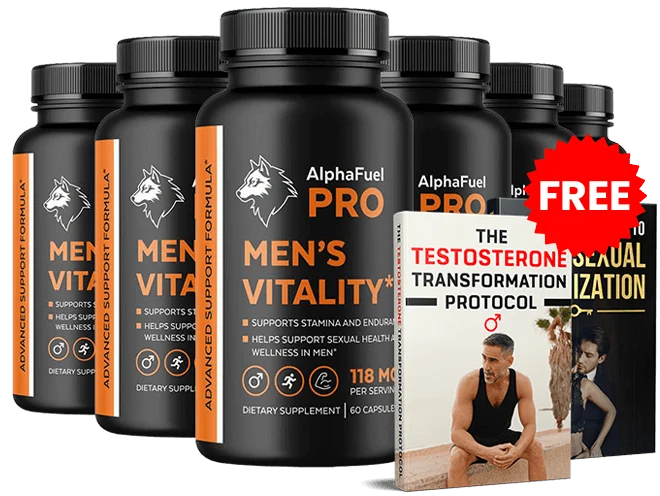
Reignite Your Inner Fire: Discover AlphaFuel Pro
If chronic stress and declining testosterone are holding you back, it's time to fight back with a natural solution designed to support your body's innate vitality. AlphaFuel Pro is meticulously crafted with a powerful blend of clinically researched ingredients, targeting the very mechanisms that connect stress, cortisol, and testosterone.
- ✓ Supports healthy testosterone levels
- ✓ Helps modulate cortisol and stress response
- ✓ Boosts energy, stamina, and mental clarity
- ✓ Enhances libido and sexual performance
- ✓ Made with 100% natural, non-GMO ingredients



What Men Are Saying About AlphaFuel Pro
"I was skeptical at first, but AlphaFuel Pro has truly changed my life. My energy levels are through the roof, and I feel less stressed, more focused. It's like I'm 10 years younger!"
"My doctor mentioned my testosterone was a bit low, likely due to work stress. Started AlphaFuel Pro a few months ago, and the difference is incredible. My mood is better, and my drive is back. Highly recommend!"
"AlphaFuel Pro helped me break free from that constant feeling of exhaustion. I'm sleeping better, have more stamina for my workouts, and my stress feels much more manageable. It's a game-changer for men's health."
Frequently Asked Questions
How exactly does stress impact testosterone levels?
+Chronic stress triggers the release of cortisol, a "stress hormone." High cortisol directly suppresses testosterone production by interfering with the hypothalamic-pituitary-gonadal (HPG) axis, the body's main testosterone regulatory system. This can lead to a significant drop in free and total testosterone.
What are the common symptoms of stress-induced low testosterone?
+Symptoms often overlap with general low T, including persistent fatigue, reduced libido, erectile dysfunction, decreased muscle mass, increased body fat (especially around the abdomen), mood swings, irritability, and difficulty concentrating. High stress can exacerbate these.
Can managing stress alone restore healthy testosterone levels?
+While stress management is crucial, it's often one piece of the puzzle. Reducing chronic stress can significantly improve testosterone production, but diet, exercise, sleep, and sometimes targeted nutritional support are also vital for optimal hormonal health.
What lifestyle changes are most effective for reducing stress and boosting testosterone?
+Incorporate regular exercise (especially resistance training), prioritize 7-9 hours of quality sleep, practice mindfulness or meditation, maintain a balanced diet rich in whole foods, limit caffeine and alcohol, and consider adaptogenic herbs or supplements.
How quickly can I expect to see improvements after addressing stress?
+The timeline varies for everyone, depending on the severity and duration of chronic stress and individual body responses. Some men might notice subtle improvements in energy and mood within a few weeks, while significant changes in testosterone levels may take 2-3 months or longer with consistent effort.
Are there specific nutrients or supplements that can help with stress-related testosterone decline?
+Yes, certain nutrients and botanicals are known to support adrenal health and testosterone production. These include Vitamin D, Zinc, Magnesium, Ashwagandha, Rhodiola Rosea, and Eurycoma Longifolia (Tongkat Ali), which can help modulate stress response and support hormonal balance.
Related Articles