Struggling with low energy, reduced libido, or a decline in vitality?
For many men, the quest for sustained energy, sharp focus, and a healthy sex drive often leads to exploring various solutions. While aging naturally brings changes, a significant drop in testosterone levels can profoundly impact your quality of life, affecting everything from muscle mass and mood to cognitive function and overall zest for living. The good news is that you have more control than you might think.
The journey to revitalized male health doesn't always require drastic measures. In fact, your diet plays a crucial role in supporting healthy testosterone production, offering a natural and sustainable path to revitalization. This comprehensive guide will walk you through the foods that can empower your body to produce testosterone more efficiently, alongside lifestyle strategies and the potential role of targeted supplementation like AlphaFuel Pro to help you reclaim your peak performance.
Understanding Testosterone: More Than Just a 'Male Hormone'
Testosterone is a vital hormone for men, influencing everything from muscle mass and bone density to mood and libido. While its decline is a natural part of aging, lifestyle factors, especially diet, significantly impact its production.
Often dubbed the "male hormone," testosterone's influence extends far beyond mere masculinity. It's a foundational steroid hormone produced primarily in the testes, playing a critical role in the development of male reproductive tissues and secondary sexual characteristics. However, its functions are systemic and crucial for overall health. Beyond sexual health, adequate testosterone levels are essential for maintaining muscle strength and mass, preserving bone density, regulating red blood cell production, and even influencing mood, cognition, and energy levels. A healthy man's vitality, focus, and drive are deeply intertwined with his testosterone balance.
Unfortunately, starting around age 30, a man's testosterone levels typically begin a gradual decline, often by about 1% per year. This decrease can accelerate due to various factors, including chronic stress, lack of sleep, insufficient physical activity, and notably, poor dietary choices. When testosterone levels dip below the optimal range, men can experience a range of symptoms collectively known as "low T" or hypogonadism. These symptoms can be subtle at first, making them easy to dismiss as just "getting older." However, they can significantly impact daily life and long-term health. Common indicators include persistent fatigue, reduced sex drive, difficulties with erections, loss of muscle mass, an increase in body fat (especially around the abdomen), mood swings, irritability, and even feelings of depression. Recognizing these signs early is crucial for intervention. You can learn more about what to look out for in our detailed guide on signs of low testosterone in men under 40.
The good news is that for many men, addressing low testosterone doesn't always require pharmaceutical interventions. A significant portion of testosterone production and regulation is influenced by lifestyle choices, with diet standing out as one of the most powerful and accessible levers. By understanding which foods support and which hinder testosterone synthesis, men can strategically optimize their diet to naturally elevate their levels, leading to a profound improvement in energy, mood, and overall well-being. This guide delves into the specific nutritional strategies that empower your body's natural hormone-producing capabilities.
💡 Key Takeaway
Testosterone is vital for male health, affecting muscle, bone, mood, and libido. Levels naturally decline with age but are heavily influenced by lifestyle, particularly diet. Low T symptoms include fatigue, low libido, and mood changes, which can often be improved through targeted nutritional strategies.
The Power Plate: Essential Foods to Naturally Boost Testosterone
Incorporating specific nutrient-dense foods into your daily diet can make a remarkable difference in your testosterone levels. Here are the top categories and examples:
Healthy Fats: The Foundation of Hormone Production
Testosterone, being a steroid hormone, is synthesized from cholesterol. Therefore, consuming adequate amounts of healthy fats is absolutely crucial. Foods rich in monounsaturated and polyunsaturated fats, like avocados, olive oil, nuts (almonds, walnuts), and seeds (chia, flax), provide the necessary building blocks and support overall cellular function. Avoid excessive saturated and trans fats found in processed foods.
Zinc-Rich Foods: A Critical Mineral for T-Synthesis
Zinc is a powerhouse mineral directly involved in testosterone production. Studies show that even mild zinc deficiency can lead to significant drops in testosterone. Excellent sources include oysters (renowned for their high zinc content), red meat (beef, lamb), poultry, pumpkin seeds, cashews, and certain legumes. Aim for consistent intake to support optimal levels.
Vitamin D Sources: The Sunshine Hormone Link
Often called the "sunshine vitamin," Vitamin D is actually a pro-hormone that plays a pivotal role in testosterone synthesis. Deficiency is widespread, making it a critical nutrient to prioritize. Fatty fish like salmon, mackerel, and tuna are excellent dietary sources. Fortified milk and cereals also contribute, but sun exposure remains the most natural way to boost levels. Supplementation may be necessary for many.
Magnesium Powerhouses: Relax and Replenish
Magnesium is another essential mineral that impacts testosterone levels, primarily by reducing the binding of testosterone to sex hormone-binding globulin (SHBG), thereby increasing the amount of free, bioavailable testosterone in the body. Leafy green vegetables (spinach, kale), nuts (almonds, Brazil nuts), seeds (sesame, sunflower), legumes, and dark chocolate are rich sources. It also aids in muscle function and sleep quality, both important for hormone balance.
Cruciferous Vegetables: Estrogen Balance for Better T
While not directly boosting testosterone, cruciferous vegetables like broccoli, cauliflower, Brussels sprouts, and cabbage contain compounds (like indole-3-carbinol, or I3C) that help the body metabolize and excrete excess estrogen. By maintaining a healthy estrogen-to-testosterone ratio, these vegetables indirectly support higher free testosterone levels. This balance is crucial for male health and preventing symptoms associated with estrogen dominance.
Antioxidant-Rich Berries: Combat Oxidative Stress
Berries such as blueberries, strawberries, raspberries, and blackberries are packed with antioxidants, particularly flavonoids. These compounds help combat oxidative stress and inflammation throughout the body, which can otherwise negatively impact hormone production and overall cellular health. A healthy cellular environment is more conducive to optimal testosterone synthesis and reduces damage to Leydig cells in the testes.
Lean Proteins: Building Blocks for Muscle & Hormones
Adequate protein intake is fundamental for muscle growth and repair, which in turn supports testosterone production, especially when combined with resistance training. Lean protein sources like chicken breast, turkey, fish (especially fatty fish also rich in Vitamin D and Omega-3s), eggs, and lean cuts of beef provide essential amino acids without excessive unhealthy fats. Aim for a balanced intake throughout the day.
Beyond Specific Foods: Holistic Dietary Strategies for Optimal T
Balanced Macronutrients
Ensure your diet includes a healthy balance of carbohydrates, proteins, and fats. Extremely low-carb or very high-fat diets can sometimes negatively impact hormone balance. Aim for complex carbohydrates for sustained energy, sufficient lean protein for muscle and repair, and healthy fats as discussed previously for hormone synthesis. This balance supports overall metabolic health which is crucial for testosterone.
Hydration is Key
Often overlooked, adequate hydration is fundamental for all bodily functions, including hormone production and metabolic processes. Dehydration can lead to increased stress hormones like cortisol, which can in turn suppress testosterone. Make sure to drink plenty of water throughout the day, aiming for at least 8 glasses, and more if you are physically active or in a hot climate.
Limit Processed Foods & Sugar
Highly processed foods, sugary drinks, and excessive refined carbohydrates can lead to inflammation, insulin resistance, and weight gain – all factors known to depress testosterone levels. These foods often lack essential nutrients and contribute to a cycle of energy crashes and cravings. Prioritize whole, unprocessed foods as much as possible to support a healthy hormonal environment.
Mindful Eating & Portion Control
Eating mindfully means paying attention to your hunger and fullness cues, savoring your food, and avoiding distractions during meals. Portion control is also vital to prevent overeating, which can lead to weight gain and increased body fat, a known inhibitor of testosterone. Being overweight or obese is a significant risk factor for low T.
Incorporate Strength Training
While not strictly dietary, regular resistance training is one of the most effective non-dietary ways to boost testosterone. Lifting weights or performing bodyweight exercises stimulates muscle growth and significantly increases natural testosterone production. Aim for 3-4 sessions per week, focusing on compound movements that work multiple muscle groups.
Prioritize Quality Sleep
Sleep is when your body repairs and regenerates, including hormone production. Chronic sleep deprivation can drastically reduce testosterone levels. Aim for 7-9 hours of high-quality, uninterrupted sleep per night. Establish a consistent sleep schedule and create a relaxing bedtime routine to optimize your body's natural hormone cycles.
💡 Key Takeaway
Beyond specific foods, holistic strategies like balanced macronutrient intake, proper hydration, limiting processed foods, mindful eating, consistent strength training, and prioritizing quality sleep are crucial for creating an environment conducive to optimal testosterone production.
Foods to Limit or Avoid for Healthy Testosterone Levels
Just as certain foods can boost testosterone, others can actively work against it. Being mindful of what to reduce is equally important for maintaining hormonal balance.
While focusing on what to eat is empowering, understanding what to limit or avoid is equally critical for optimizing testosterone. Certain dietary culprits can actively suppress your body's natural hormone production, contributing to the symptoms of low T. The goal isn't necessarily complete elimination but rather mindful moderation and informed choices.
Processed Foods and Added Sugars
This category is perhaps the biggest offender. Foods high in refined sugars (like sodas, candies, pastries, and many breakfast cereals) and heavily processed items (fast food, packaged snacks, frozen dinners) contribute to systemic inflammation and can lead to significant weight gain. Excess body fat, particularly visceral fat around the abdomen, increases the activity of the enzyme aromatase, which converts testosterone into estrogen. This imbalance can drastically lower your effective testosterone levels. Furthermore, high sugar intake can lead to insulin resistance, another factor linked to reduced testosterone.
Excessive Alcohol Consumption
While moderate alcohol intake might not be severely detrimental, chronic and heavy alcohol consumption is a known testosterone suppressor. Alcohol can directly damage Leydig cells in the testes, which are responsible for testosterone production. It also increases the conversion of testosterone to estrogen and can impair the liver's ability to metabolize hormones effectively. Reducing alcohol intake, especially binge drinking, is a crucial step for men aiming to boost their T levels naturally.
Soy-Based Products (in excess)
Soy products contain phytoestrogens, plant-derived compounds that can mimic the effects of estrogen in the body. While research on soy's impact on male hormones is mixed and often depends on the amount consumed, some studies suggest that very high intake of soy protein, especially in unprocessed forms like tofu or tempeh, could potentially lower testosterone and raise estrogen levels in susceptible individuals. Moderate consumption is likely fine, but relying heavily on soy as a primary protein source might warrant reconsideration for men with low T.
Certain Vegetable Oils
Some highly processed vegetable oils, such as soybean oil, corn oil, and cottonseed oil, are high in polyunsaturated fatty acids (PUFAs), particularly omega-6 fatty acids. While omega-6s are essential, an imbalance with omega-3s (too many omega-6s) can promote inflammation in the body. Chronic inflammation can negatively impact hormone production and overall health. Opt for healthier fats like olive oil, avocado oil, and coconut oil, and ensure a good balance of omega-3s from sources like fatty fish.
Mint and Licorice Root
Less commonly known, certain herbs like spearmint and peppermint have been shown in some studies (primarily animal and in vitro) to potentially lower testosterone levels, particularly when consumed in very high amounts. Licorice root is another herb that has been linked to decreased testosterone in some research due to compounds that inhibit an enzyme involved in testosterone synthesis. While occasional consumption is unlikely to be an issue, excessive use or reliance on these herbs might be something to consider if you are actively trying to optimize your T levels.
By being mindful of these dietary inhibitors, you can create a more favorable environment for your body to produce and utilize testosterone effectively. This proactive approach, combined with testosterone-boosting foods, forms a powerful strategy for male hormonal health.
💡 Key Takeaway
To support healthy testosterone levels, it's crucial to limit or avoid processed foods, excessive sugars, heavy alcohol consumption, and potentially very high intakes of soy products and certain inflammatory vegetable oils. These dietary choices can hinder natural testosterone production and promote an unfavorable hormone balance.
When Diet Isn't Enough: The Role of Targeted Supplementation
While a balanced diet is paramount, sometimes dietary intake alone might not be sufficient to address significant testosterone imbalances, especially as men age. This is where high-quality, natural supplements can play a supportive role.
Despite our best efforts to eat a testosterone-boosting diet, lifestyle factors, environmental toxins, and the natural aging process can sometimes make it challenging to maintain optimal hormone levels solely through food. Modern agricultural practices can deplete soil nutrients, meaning even "healthy" foods might not contain the same levels of vitamins and minerals they once did. Furthermore, individual genetic variations and specific health conditions can influence nutrient absorption and hormone synthesis.
In such cases, targeted supplementation can offer a complementary solution, providing concentrated doses of key vitamins, minerals, and herbal extracts known to support testosterone production and overall male vitality. These supplements are designed to fill nutritional gaps and enhance the body's natural mechanisms, working in harmony with a healthy diet and lifestyle. For men seeking to boost their energy and overall male performance, exploring effective remedies can be a game-changer, as detailed in our article on male energy remedies that work.
When considering a supplement, it’s crucial to look for products that are transparent about their ingredients, backed by scientific research, and manufactured to high quality standards. A well-formulated natural male energy supplement can provide specific compounds that may be difficult to obtain in sufficient quantities from diet alone, such as certain adaptogenic herbs or specific forms of vitamins and minerals. For more insights on choosing effective products, refer to our guide on finding a natural male energy supplement.
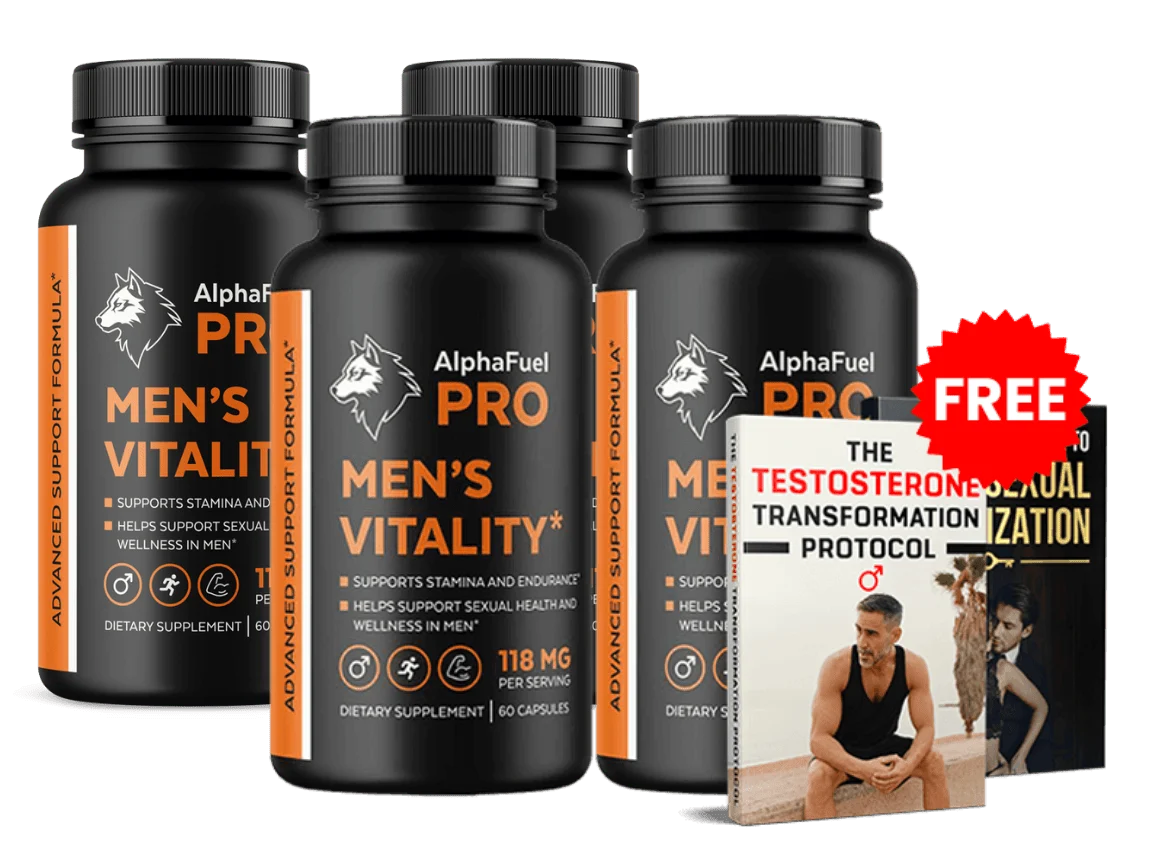
One such supplement designed with this comprehensive approach in mind is AlphaFuel Pro. It combines several potent, natural ingredients known for their roles in supporting male hormonal health, energy, and vitality. Let's look at some of the key ingredients found in AlphaFuel Pro and their benefits.
Key Natural Ingredients in AlphaFuel Pro

Epimedium (Horny Goat Weed)
Role: Known for its active compound icariin, Epimedium is a traditional Chinese herb used for centuries to support libido and erectile function. It is believed to increase nitric oxide levels, promoting blood flow, and may also have properties that support healthy testosterone levels and combat fatigue.
Standardized to 10% Icariin
Eurycoma Longifolia (Tongkat Ali)
Role: Often called Tongkat Ali, this Malaysian herb is highly regarded for its adaptogenic properties and its ability to naturally support testosterone production. It works by potentially reducing stress hormones like cortisol and freeing up bound testosterone, leading to increased bioavailable T. It's also celebrated for boosting libido and improving energy.
200-400mg daily extract
Sarsaparilla Root
Role: Historically used as a tonic and blood purifier, Sarsaparilla contains compounds called saponins, which are believed to have a steroid-like structure. While not directly testosterone, some theories suggest it can act as a precursor for hormone synthesis or help with detoxification, supporting a healthier hormonal environment. It's often included for its overall wellness benefits.
500-1000mg dried root equivalent
Serenoa Repens (Saw Palmetto)
Role: Primarily known for its benefits for prostate health, Saw Palmetto also plays an indirect role in supporting testosterone. It's believed to inhibit the enzyme 5-alpha-reductase, which converts testosterone into dihydrotestosterone (DHT). By modulating DHT levels, it helps maintain a healthier balance of male hormones, ensuring more testosterone remains available for other bodily functions.
320mg standardized extract
Reclaim Your Peak Performance with AlphaFuel Pro
AlphaFuel Pro is meticulously formulated with clinically studied ingredients to naturally support healthy testosterone levels, enhancing your energy, drive, and overall vitality. Don't let declining testosterone hold you back any longer.
- ✓ Supports natural testosterone production
- ✓ Boosts energy, stamina, and physical performance
- ✓ Enhances libido and sexual function
- ✓ Promotes mental clarity and focus
- ✓ Made with 100% natural, high-quality ingredients



Hear From Our Satisfied Customers
"I've tried numerous supplements, but AlphaFuel Pro is different. My energy levels are through the roof, and I feel like I'm back in my 20s. The mental clarity is an unexpected bonus. Truly a game-changer for me!"
"After turning 45, I noticed a significant dip in my drive and overall vitality. A friend recommended AlphaFuel Pro, and I'm so glad I listened. My workouts are better, my mood is improved, and my wife has noticed the difference too!"
"I was skeptical at first, but the 60-day guarantee convinced me to try. Within a month, I felt a remarkable improvement in my stamina and focus. It's helped me stay productive at work and energetic at home. Highly recommend!"
Frequently Asked Questions
How quickly can diet changes affect testosterone levels?
+While individual results vary, many men begin to notice improvements in energy and mood within a few weeks to a couple of months of consistently adopting a testosterone-boosting diet. Significant hormonal shifts can take longer, typically 3-6 months, as the body adjusts and replenishes nutrient stores. Consistency is key.
Are there specific diets that are best for boosting testosterone?
+Diets rich in whole, unprocessed foods, healthy fats, lean proteins, and plenty of fruits and vegetables tend to be most beneficial. Examples include the Mediterranean diet or a balanced paleo-style approach, which naturally provide the nutrients necessary for optimal hormone production while minimizing inflammatory foods.
Can supplements like AlphaFuel Pro replace a healthy diet for testosterone support?
+No, supplements are designed to complement, not replace, a healthy diet and lifestyle. AlphaFuel Pro provides targeted nutrients and herbal extracts that can support natural testosterone production, especially when dietary intake is insufficient or as men age. For optimal results, it should be used in conjunction with a balanced diet, regular exercise, and adequate sleep.
What are the common signs of low testosterone in men?
+Common signs of low testosterone include persistent fatigue, decreased libido, erectile dysfunction, loss of muscle mass, increased body fat, mood changes (irritability, depression), difficulty concentrating, and reduced bone density. If you suspect low T, it's crucial to consult a healthcare professional for diagnosis and guidance. You can learn more about the specific indicators in our article on signs of low testosterone in men under 40.
Is AlphaFuel Pro safe to use long-term?
+AlphaFuel Pro is formulated with natural ingredients that have been traditionally used and studied for their benefits. It's generally considered safe for long-term use when taken as directed. However, as with any supplement, it's always advisable to consult with your physician before starting any new regimen, especially if you have pre-existing medical conditions or are taking other medications.
Where can I buy AlphaFuel Pro?
+AlphaFuel Pro is available exclusively through its official website to ensure you receive an authentic product and benefit from any special offers or guarantees. We do not recommend purchasing from unauthorized third-party sellers. You can find the official ordering page via the links throughout this article.
Related Articles