Feeling a dip in energy, focus, or drive? Could it be your testosterone levels?
In the dynamic landscape of men's health, understanding and optimizing testosterone levels has become a paramount concern. As we navigate 2026, the scientific community continues to shed light on increasingly effective, natural methods to support this vital hormone. Testosterone isn't just about muscle and libido; it profoundly impacts mood, cognitive function, bone density, and overall metabolic health.
Many men, often unknowingly, experience symptoms of declining testosterone, which can begin as early as their 30s. The good news is that significant improvements are achievable through targeted, natural interventions. Our goal is to empower you with proven strategies to naturally elevate your testosterone, helping you reclaim your vitality and well-being. This article delves into the latest research and practical steps you can take today, highlighting the synergistic power of lifestyle, diet, and strategic supplementation for optimal male hormone health.
Understanding Testosterone: More Than Just a "Male Hormone"
Before diving into how to increase testosterone, it's crucial to understand what it is and why it matters so much. Often stereotyped, testosterone's role extends far beyond muscle mass and sex drive.
Testosterone is the primary male sex hormone, but it's also present in women, albeit in smaller amounts. Produced mainly in the testes in men, it plays a critical role in the development of male reproductive tissues and secondary sexual characteristics. However, its influence permeates nearly every system in the body. Optimal testosterone levels are fundamental for maintaining energy levels, promoting muscle growth and strength, regulating mood and cognitive function, supporting bone density, and ensuring a healthy libido. It even impacts red blood cell production and fat distribution. When testosterone levels decline, a cascade of negative effects can manifest, impacting both physical and mental well-being.
Common symptoms of low testosterone (often referred to as "Low T" or hypogonadism) include persistent fatigue, reduced sex drive, erectile dysfunction, loss of muscle mass, increased body fat, difficulty concentrating, irritability, and even depression. These symptoms can often be subtle at first, gradually worsening over time, leading many men to attribute them to natural aging. However, ignoring these signs can lead to more serious health issues. If you're wondering about specific indicators, you might find our article on signs of low testosterone in men under 40 insightful.
💡 Key Takeaway
Testosterone is a foundational hormone for men's overall health, affecting energy, mood, muscle, bone, and libido. Recognizing the signs of decline and understanding its broad impact is the first step towards effective natural optimization.
The Pillars of Natural Testosterone Enhancement
Boosting testosterone naturally is not a quick fix but a holistic approach involving consistent lifestyle adjustments. Here are the core pillars backed by scientific evidence:
Optimized Nutrition: Fueling Hormone Production
What you eat directly impacts your hormone synthesis. A diet rich in whole, unprocessed foods is key. Focus on healthy fats like those found in avocados, nuts, seeds, and olive oil, which are crucial for cholesterol, a precursor to testosterone. Adequate protein intake supports muscle maintenance and growth, further aiding T production. Complex carbohydrates provide sustained energy without spiking insulin, which can negatively affect testosterone. Crucially, ensure sufficient intake of micronutrients like Zinc (oysters, beef, pumpkin seeds), Vitamin D (sunlight, fatty fish, fortified foods), and Magnesium (leafy greens, nuts, legumes), all of which are directly linked to healthy testosterone levels. Avoiding excessive sugar, processed foods, and trans fats is equally important.
Strategic Exercise: Lift, Sprint, and Build
Exercise is one of the most potent natural testosterone boosters. Specifically, resistance training (weightlifting) has been shown to significantly increase both acute and long-term testosterone levels. Focus on compound movements like squats, deadlifts, bench presses, and rows, which engage large muscle groups. High-intensity interval training (HIIT) also stimulates testosterone and growth hormone release. While moderate aerobic exercise is vital for cardiovascular health, excessive endurance training without adequate recovery can sometimes have the opposite effect. A balanced approach combining strength training, HIIT, and moderate cardio is ideal.
Quality Sleep: The Night Shift for Your Hormones
Sleep deprivation is a silent assassin of testosterone. Studies show that men who consistently sleep less than 7-8 hours per night can experience a significant drop in T levels, sometimes comparable to aging by a decade. Most of your daily testosterone production occurs during the deep sleep and REM phases. Prioritize consistent, high-quality sleep by maintaining a regular sleep schedule, creating a dark and cool bedroom environment, and avoiding screens before bed. This foundational habit is non-negotiable for optimal hormone health.
Stress Management: Taming the Cortisol Beast
Chronic stress elevates cortisol, the body's primary stress hormone. High cortisol levels have a direct inverse relationship with testosterone; when cortisol goes up, testosterone often goes down. Furthermore, the body prioritizes cortisol production over testosterone when under stress. Implementing stress-reducing techniques such as meditation, yoga, deep breathing exercises, spending time in nature, or engaging in hobbies can significantly impact your hormonal balance. Managing stress effectively is a powerful, yet often overlooked, strategy for natural testosterone optimization.
Weight Management: Shedding Excess Fat
Obesity, particularly abdominal fat, is strongly linked to lower testosterone levels. Adipose tissue (fat cells) contains an enzyme called aromatase, which converts testosterone into estrogen. This means that more body fat can lead to less available testosterone and higher estrogen, creating an unfavorable hormonal environment. Losing excess weight through a combination of diet and exercise can significantly improve testosterone levels and reduce aromatase activity. Even a modest reduction in body fat can yield noticeable improvements.
Limiting Alcohol and Environmental Toxins
Excessive alcohol consumption can directly interfere with testosterone production and increase its conversion to estrogen. Moderation is key. Furthermore, exposure to endocrine-disrupting chemicals (EDCs) found in plastics (BPA, phthalates), pesticides, and certain personal care products can mimic or block hormones, negatively impacting testosterone. Opt for glass or stainless steel containers, choose organic produce when possible, and be mindful of ingredients in household products to minimize exposure.
Dietary Strategies for T-Boosting in 2026
Beyond general healthy eating, certain foods and nutrients are particularly beneficial for testosterone production.
In 2026, research continues to emphasize the importance of specific dietary components. Ensuring adequate intake of Vitamin D is paramount, as it functions like a steroid hormone in the body and is directly correlated with testosterone levels. Many individuals, especially in colder climates or with indoor lifestyles, are deficient. Aim for safe sun exposure or high-quality supplements. Zinc is another critical mineral; a deficiency can lead to significant drops in testosterone. Foods like oysters, red meat, poultry, beans, nuts, and whole grains are excellent sources. Similarly, Magnesium, found in leafy greens, nuts, seeds, and dark chocolate, plays a role in binding testosterone to proteins, making it more bioavailable. Don't forget healthy fats, particularly monounsaturated and omega-3 fatty acids, which are the building blocks for hormone synthesis. Avocados, olive oil, fatty fish (salmon, mackerel), and flaxseeds should be staples in your diet.
Conversely, limiting foods that can negatively impact testosterone is just as important. Excessive sugar consumption leads to insulin resistance, which can suppress testosterone. Processed foods, often high in unhealthy fats and sugar, contribute to inflammation and weight gain, both detrimental to hormone balance. For men over 50, paying close attention to these dietary details becomes even more critical for maintaining vitality. Our detailed guide on low testosterone symptoms in men over 50 offers further insights into age-specific considerations.
Exercise Regimens for Maximum T-Boost
Not all exercise is created equal when it comes to testosterone. Here's what the latest science suggests:
Heavy Compound Lifts
Exercises like squats, deadlifts, bench presses, and overhead presses engage multiple muscle groups simultaneously, leading to a greater hormonal response. Aim for 3-4 sessions per week, focusing on progressive overload (gradually increasing weight or reps).
High-Intensity Interval Training (HIIT)
Short bursts of intense exercise followed by brief recovery periods (e.g., sprints, cycling intervals) have been shown to significantly elevate testosterone and human growth hormone. Incorporate 1-2 HIIT sessions per week.
Avoid Overtraining
While intense exercise is good, chronic overtraining without adequate recovery can lead to increased cortisol and decreased testosterone. Listen to your body, ensure proper rest days, and consider deload weeks.
Maintain Body Composition
Regular exercise helps reduce body fat, which in turn reduces aromatase activity and promotes higher free testosterone. Consistency is more important than sporadic, intense workouts.
The Role of Natural Supplements in 2026
While lifestyle changes are foundational, certain natural ingredients have shown promising results in supporting healthy testosterone levels when used synergistically.

Epimedium (Horny Goat Weed)
Role: Contains icariin, which may help improve erectile function and libido by increasing nitric oxide, and potentially support testosterone production by mimicking its effects.
Typical Dose: 500-1000 mg (extract)
Eurycoma Longifolia (Tongkat Ali)
Role: Research suggests it may reduce stress hormones like cortisol, thereby helping to improve the testosterone-to-cortisol ratio, and potentially stimulating testosterone production.
Typical Dose: 200-400 mg (extract)
Sarsaparilla Root
Role: Traditionally used as a tonic and for its potential anti-inflammatory properties. Some believe it has anabolic effects, though more direct research on testosterone is needed.
Typical Dose: 500-1000 mg (powder)
Serenoa Repens (Saw Palmetto)
Role: Primarily known for supporting prostate health, it may also play a role in hormone balance by inhibiting the enzyme 5-alpha-reductase, which converts testosterone to DHT.
Typical Dose: 160-320 mg (extract)Other beneficial ingredients often found in comprehensive natural testosterone support formulas include Fenugreek, which has been shown to improve free and total testosterone levels, and Boron, a trace mineral that can reduce SHBG (Sex Hormone Binding Globulin), making more free testosterone available. Always look for supplements that use high-quality, standardized extracts of these ingredients for optimal efficacy. While supplements are not a replacement for healthy habits, they can provide a significant boost when chosen wisely. For those specifically looking for targeted support, exploring a dedicated testosterone booster for men over 40 can be a strategic step.
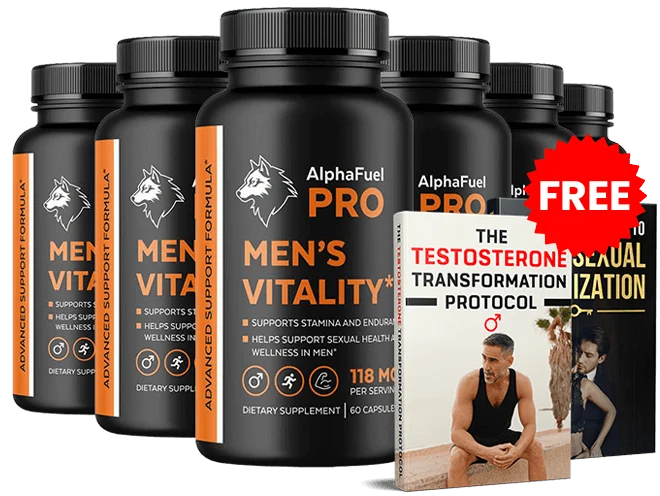
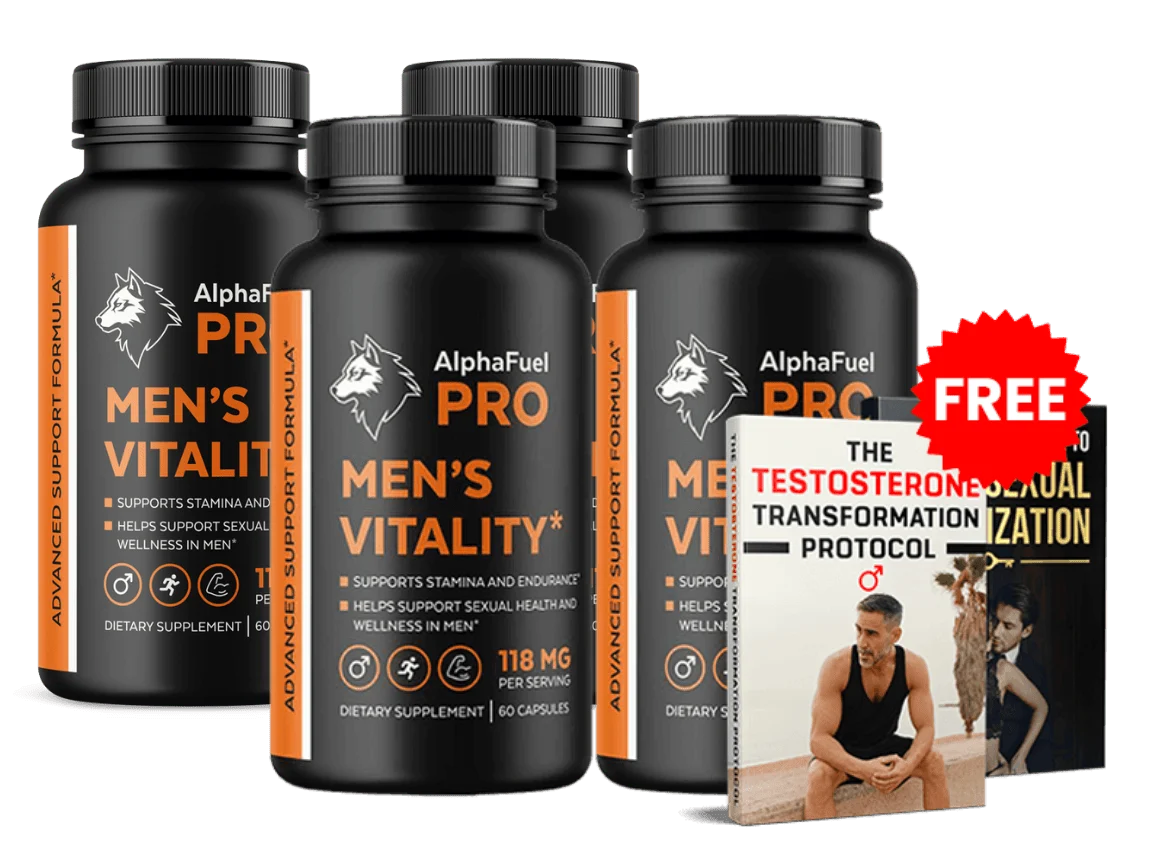
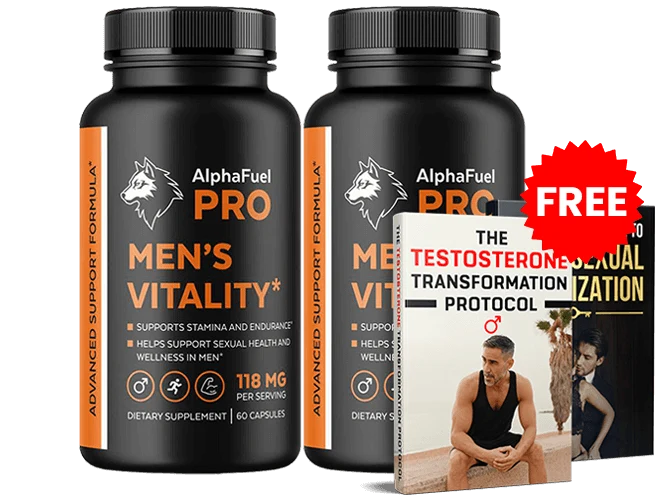
AlphaFuel Pro: Your Natural Ally for Optimal Testosterone
While lifestyle adjustments are paramount, AlphaFuel Pro offers a scientifically formulated blend of natural ingredients designed to complement your efforts and provide comprehensive support for healthy testosterone levels. It's crafted to help men reclaim their energy, focus, and vitality.
- ✓ Supports natural testosterone production
- ✓ Enhances energy, stamina, and libido
- ✓ Promotes improved mood and cognitive function
- ✓ Features a blend of clinically-backed herbal extracts
- ✓ Made in the USA, GMP certified, 100% natural



What Our Customers Are Saying
"I've tried various things over the years, but AlphaFuel Pro, combined with my new diet and exercise routine, has made a noticeable difference. More energy, better mood, and a renewed sense of vigor. Highly recommend!"
"At 52, I thought the constant fatigue was just 'getting older.' AlphaFuel Pro changed that. I feel more alert, my workouts are better, and my drive is back. It's been a game-changer for my overall well-being."
"Skeptical at first, but the results speak for themselves. My recovery from exercise is quicker, and my mental fog has lifted. AlphaFuel Pro is a natural way to support my body's needs."
Frequently Asked Questions
What are the most effective natural ways to increase testosterone?
+The most effective natural ways include resistance training, high-intensity interval training, optimizing sleep, managing stress, consuming a balanced diet rich in zinc, vitamin D, and healthy fats, and maintaining a healthy weight. Eliminating endocrine disruptors and limiting alcohol can also significantly help.
How long does it take to see results from natural testosterone boosting methods?
+The timeframe for seeing results can vary widely based on individual factors like starting T levels, consistency of efforts, and overall health. Generally, noticeable improvements in energy, mood, and libido might begin within 4-12 weeks, with more significant physical changes requiring 3-6 months of dedicated adherence to lifestyle changes.
Can diet alone significantly impact testosterone levels?
+Yes, diet plays a crucial role. Deficiencies in key nutrients like zinc, vitamin D, and magnesium are directly linked to lower testosterone. A diet rich in whole foods, lean proteins, healthy fats (like avocados, nuts, olive oil), and complex carbohydrates, while limiting processed foods and excessive sugar, provides the necessary building blocks for optimal hormone production.
Are there specific exercises best for increasing testosterone?
+Yes, resistance training (weightlifting) is highly effective, especially compound exercises like squats, deadlifts, and bench presses, which engage large muscle groups. High-intensity interval training (HIIT) has also been shown to stimulate testosterone production. Regular, moderate cardio is beneficial for overall health but may not have the same direct T-boosting effect as strength training.
What role does sleep play in testosterone production?
+Sleep is critical. The majority of daily testosterone production occurs during sleep, particularly during REM and deep sleep stages. Chronic sleep deprivation (less than 7-8 hours per night) can significantly reduce testosterone levels, sometimes by as much as 10-15% in just one week. Prioritizing consistent, high-quality sleep is a cornerstone of natural T optimization.
When should I consider a natural testosterone support supplement like AlphaFuel Pro?
+Natural testosterone support supplements can be considered as a complementary strategy once foundational lifestyle changes (diet, exercise, sleep, stress management) are in place. They can provide additional nutritional support and herbal extracts known to support hormone balance. It's always advisable to consult with a healthcare professional before starting any new supplement regimen, especially if you have underlying health conditions.
Related Articles